Skip to content




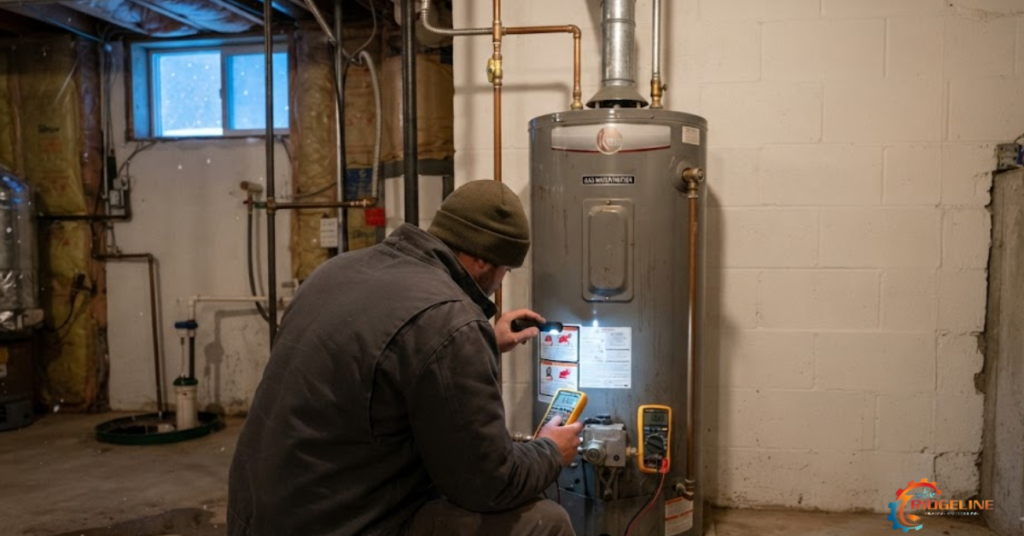
A furnace tune-up includes a full inspection, cleaning, testing, and safety check by a licensed technician. The tech inspects the heat exchanger, cleans the burners and flame sensor, checks gas pressure and electrical connections, tests the safety controls and thermostat, runs a combustion and carbon monoxide test, and checks or replaces the air filter.
The goal is a furnace that is safe, efficient, and ready for an Idaho Falls winter. Use the furnace tune-up checklist below, then book a furnace tune-up before the cold sets in.
Key Takeaways
- Three parts: every tune-up is inspection, cleaning, and testing or calibration.
- Safety core: the heat exchanger inspection and carbon monoxide test are the most important steps.
- Cleaning: burners, flame sensor, and blower get cleaned so the furnace lights and runs cleanly.
- Testing: gas pressure, electrical connections, the thermostat, and a full heat cycle are all checked.
- Timing: a tune-up takes about one to one and a half hours and should be done once a year in fall.
Furnace Tune-Up Checklist: What Does It Include?
A professional furnace tune-up covers three jobs: inspect the system, clean the parts that get dirty, and test that everything runs safely and efficiently. A thorough checklist runs from the heat exchanger to the thermostat. The sections below break down what a licensed technician actually does.
Inspection and Safety Checks
Heat Exchanger
The heat exchanger is checked for cracks or rust. This is the single most important step, because a cracked heat exchanger can leak carbon monoxide into your home. The U.S. Centers for Disease Control links this odorless gas to hundreds of accidental deaths each year, so review basic carbon monoxide safety as well.

Venting and Gas
The technician inspects the venting and flue for blockages, rust, or leaks, then measures and adjusts gas pressure so the fuel burns safely and efficiently. Correct gas pressure means steady heat and lower waste.
Electrical Connections and Safety Controls
All electrical connections are checked and tightened to prevent loose wires or shorts, and the safety controls are tested to confirm the furnace shuts itself down if something goes wrong.
Cleaning and Maintenance
Dirt is the enemy of an efficient furnace. A tune-up cleans the parts that collect it so the system lights smoothly and moves air freely.
- Burners and ignition: cleaned of dust and debris so the furnace lights every time.
- Flame sensor: cleaned so it reads the flame correctly and keeps the gas valve open.
- Blower motor and fan: cleared of buildup to protect airflow through the home.
- Moving parts: lubricated to cut friction and wear on motors and bearings.
- Air filter: checked, and replaced if needed, to protect airflow and air quality.
Testing and Calibration
After the furnace is clean, the technician confirms it runs right from start to finish.
| Tune-up step | Why it matters |
|---|---|
| Thermostat calibration | Confirms the furnace heats to the temperature you set |
| Combustion and CO test | Measures efficiency and checks for dangerous carbon monoxide |
| Full heat cycle test | Verifies safe start-up, run, and shutdown |
| Airflow check | Confirms even heat and protects the blower |
If the tune-up turns up a worn part, catching it now is far cheaper than a January breakdown. When a repair is needed, our furnace repair team handles it the same visit when possible.
How Long Does a Furnace Tune-Up Take, and How Often?
A standard furnace tune-up takes about one to one and a half hours, depending on the system’s age and condition. You should schedule one once a year, ideally in early fall before heating season. The DOE home energy checklist calls for professional furnace maintenance each year to keep it running safely and efficiently. A seasonal maintenance plan keeps you on schedule without having to remember.

Why a Furnace Tune-Up Is Worth It
A yearly tune-up pays for itself in four ways. It keeps efficiency up, so you burn less fuel all winter. It catches safety issues like a cracked heat exchanger early. It prevents the breakdowns that always seem to happen on the coldest night. And it protects your warranty, since most manufacturers require documented annual service. If your furnace is aging, a tune-up is also the right time to weigh whether to repair or replace your furnace.
Furnace Tune-Up Checklist FAQs
How much does a furnace tune-up cost?
A standard furnace tune-up typically runs in the range of a routine service call, and many homeowners save more than that through lower energy bills and avoided repairs. Joining a maintenance plan often lowers the per-visit cost and adds priority scheduling. Call Ridgeline for current Idaho Falls pricing.
Do you really need a furnace tune-up?
Yes. A yearly tune-up is the best way to keep your furnace safe, efficient, and reliable, and it protects your warranty. Skipping it tends to cost more later through higher bills, surprise breakdowns, and missed safety problems like a carbon monoxide risk from a cracked heat exchanger.
How often should you tune up your furnace?
Once a year for a gas furnace, scheduled in early fall before you rely on heat every day. If you have a heat pump that also cools, service it twice a year, in spring and fall, since it works nearly year round.
How long does a furnace tune-up take?
Most tune-ups take about one to one and a half hours. An older furnace or one that has not been serviced in a few years may take longer if it needs extra cleaning or a minor repair is found during the visit.
Schedule Your Idaho Falls Furnace Tune-Up
Get your furnace ready before the first freeze. Call Ridgeline Heating and Cooling at (208) 521-2041 to book a full furnace tune-up with a local Idaho Falls technician who inspects, cleans, and safety-tests your system from the heat exchanger out. Schedule your furnace tune-up today.
Ridgeline Heating and Cooling
370 College St, Idaho Falls, ID 83401
Phone: (208) 521-2041
Hours: Monday to Friday, 6:00 AM to 5:00 PM
Website: https://idahofallsheatingandcooling.com/
Idaho HVAC license #050089
Serving Idaho Falls and surrounding Southeast Idaho.