Skip to content




Why does my AC increase humidity Level?
Few things are more frustrating in summer than running your AC and still feeling that sticky, heavy, humid air inside your home. You expect the air conditioning system to cool your space and improve comfort levels, but instead, the humidity level seems to rise. This is more common than many homeowners realize, and it often points to an underlying issue with the AC unit or indoor airflow.
High humidity in your home isn’t just uncomfortable – it can lead to damage such as warped woodwork, mold growth, and poor indoor air quality. Excess moisture in the air needs to be addressed quickly. Let’s explore why your AC might be causing high humidity and how to fix it.
How an Air Conditioner Should Manage Humidity
Your air conditioning unit doesn’t just cool the air – it should also remove humidity. When warm air passes over the cold evaporator coil, two things happen:
- The air cools to your thermostat’s set temperature.
- Moisture condenses on the coil and drains away through the condensate line.
This process helps reduce humidity and maintain a healthy humidity level in your home. But if the AC system isn’t working correctly, indoor humidity rises.
Common Reasons Your AC May Be Raising Humidity
If your home feels muggy even when the AC is running, one or more of these issues may be the cause:
1. Oversized AC Unit
An oversized AC cools the air too quickly and shuts off before it can remove the humidity. This leaves muggy air lingering indoors.
2. Dirty Evaporator Coils
Dust and debris on the coil reduce its ability to condense water vapor and dry the air effectively. Regular cleaning is essential.
3. Refrigerant Issues
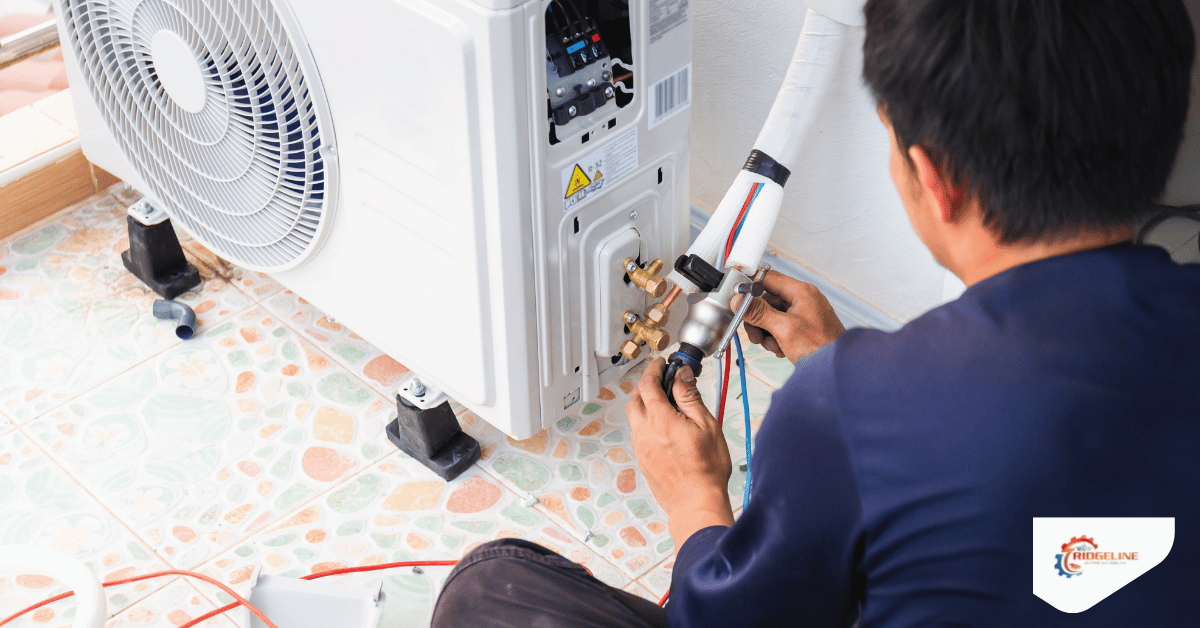
Low refrigerant levels prevent the coil from cooling enough to remove moisture from the air. This requires professional repair.
4. Poor Airflow
Clogged filters, blocked vents, or leaky ducts limit airflow, making it harder to remove humidity.
5. Short Cycling
If your AC unit turns on and off too frequently, it won’t run long enough to lower indoor humidity levels.
6. High Outdoor Humidity
A humid climate or hot and humid weather can bring outside air indoors, especially if your home has poor ventilation.
Why High Indoor Humidity Is a Serious Problem
Excessive humidity can lead to:
- Reduced comfort – The air feels warmer, making your AC work harder.
- Mold and mildew growth – Encouraged by excess humidity.
- Increased energy costs – Longer run times raise utility bills.
- Damage to wood and furniture – Moisture can cause swelling and warping.
Fixing AC-Related Humidity Problems
Here’s how to get your indoor air back to a healthy humidity level:
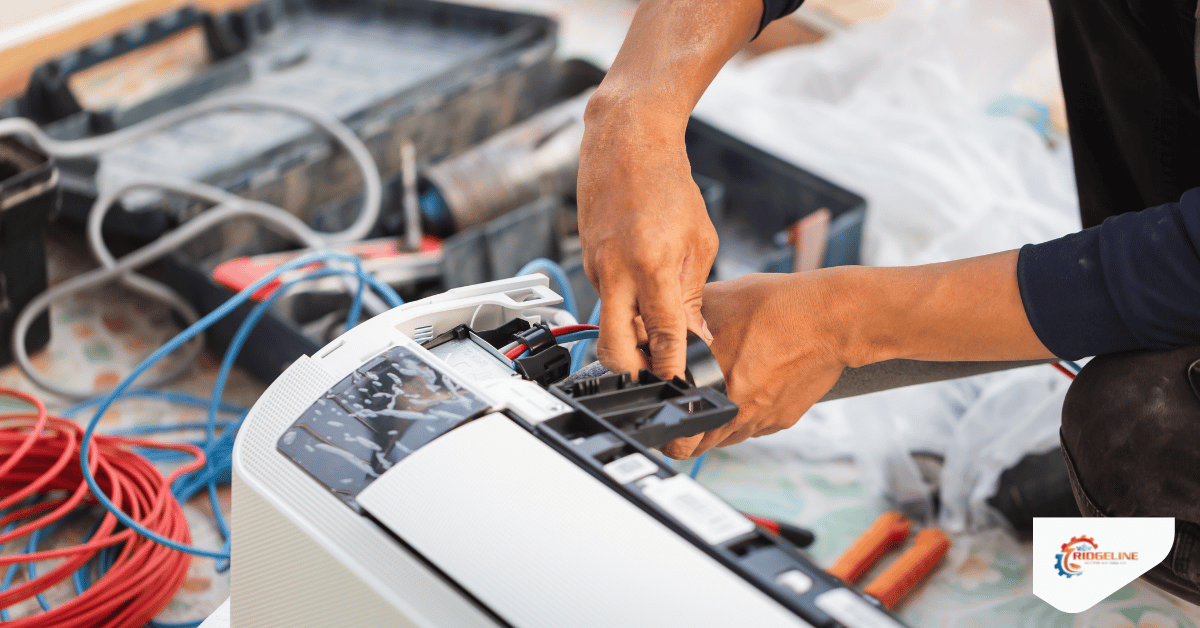
- Schedule Professional AC Maintenance
- Clean evaporator and condenser coils.
- Check refrigerant levels and fix leaks.
- Inspect ducts and airflow.
- Adjust blower speed to improve humidity removal.
- Use a Whole-House Dehumidifier
Works alongside your HVAC system to control indoor humidity without overcooling. - Adjust AC Settings
Lowering fan speed allows air to stay on the coil longer, improving moisture removal. - Seal Air Leaks
Prevent outside air from entering and increasing relative humidity indoors. - Replace an Oversized System
A properly sized AC runs long enough to remove moisture from the air effectively.
Preventing Future Humidity Problems
- Annual HVAC Maintenance – Catch small problems before they cause higher humidity levels.
- Change Air Filters regularly to maintain airflow.
- Keep Outdoor Unit Clear for proper ventilation.
- Install a Smart Thermostat to manage run times and prevent a house so humid scenario.
When to Call an HVAC Contractor
Contact a professional if you notice:
- Persistent humid or muggy air indoors.
- Condensation on windows and walls.
- Musty odors (possible mold).
- Unexplained high energy bills.
Idaho Falls Heating and Cooling offers expert AC repair, installation, and maintenance to reduce humidity levels and restore comfort.
Conclusion – Keep Your Cool Without the Moisture
Your air conditioning should cool your home, not increase humidity. Whether it’s an oversized AC, dirty coil, refrigerant issues, or poor airflow, the right repair or installation can restore comfort. With regular cleaning, maintenance, and professional inspections, you can enjoy cool air and better air quality all summer.