 Skip to content





Choosing the right heating fuel matters, especially in a place like Idaho where winters can stretch on and temperatures regularly dip below freezing. Many homeowners compare Propane vs Natural Gas when deciding on a heating system or considering a change from their current setup.
Idaho Falls Heating and Cooling helps families across Eastern Idaho navigate these decisions every day. Here is a clear look at how propane and natural gas stack up so you can feel confident about what works best for your home.
What Is Propane?
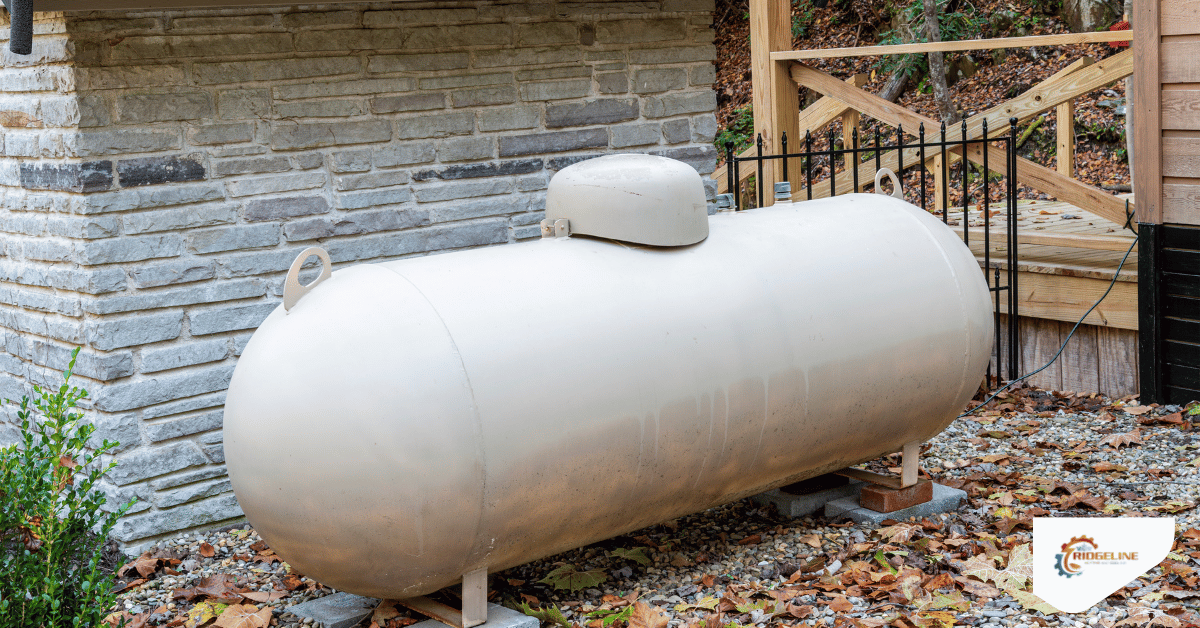
Propane is compressed into a liquid and stored in a propane tank on your property, then delivered to your home as needed. Many homes outside city limits use propane because it offers steady heat without needing a utility connection.
Common uses for propane include:
- Furnaces and space heaters for home heating
- Water heater systems and appliances
- Fireplaces and outdoor heating equipment
- Cooking appliances and propane grills
What Is Natural Gas?
Natural gas is delivered through underground utility pipelines by your local natural gas company. Homes within Idaho Falls and many nearby communities can access a continuous supply without managing a fuel tank.
Natural gas is often used for:
- Furnaces and boilers for heating
- Stoves, ovens, and natural gas grills
- Water heater installation
- Clothes dryers and gas appliances
Energy Efficiency and BTU Output
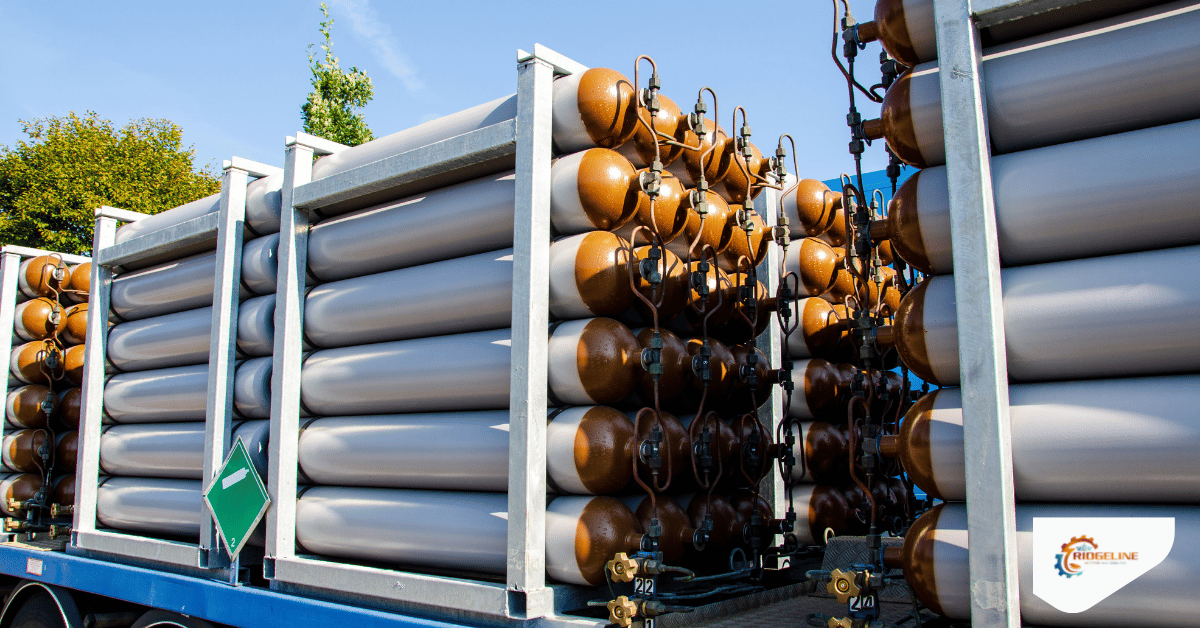
Propane contains twice the energy of natural gas per cubic foot. This means a smaller amount of propane can produce strong heat output, which is helpful during long Idaho winters. One BTU (British Thermal Unit) of propane delivers more heat per unit than natural gas.
Key points about energy efficiency:
- Propane offers higher BTU output per gallon
- Natural gas supplies are continuous through a gas line
- Both fuels support high-efficiency furnace installation
- Energy of natural gas requires more volume for equivalent heat
How Propane and Natural Gas Perform in Idaho Winters
Idaho’s cold months demand a heating system that can keep up. Propane delivers powerful heat, making it ideal for large spaces or drafty older homes that need consistent warmth.
Performance notes:
- Propane’s strong heat output suits remote or exposed homes
- Natural gas is reliable in connected neighborhoods through a gas pipeline
- Both fuels work well with modern gas furnace systems
- Either propane or natural gas can heat your home effectively
Pros and Cons of Natural Gas and Propane Costs
Prices vary based on supply, delivery needs, and location. Natural gas is the cheaper option per cubic foot in most markets, but the price of natural gas fluctuates with natural gas rates. Propane is measured in price per gallon.
The real cost for your home will depend on energy efficiency and usage patterns. Propane might offer better value per BTU than natural gas when you calculate actual heating performance.
Cost considerations include:
- Propane tank installation or rental fees
- Propane delivery charges and scheduling
- Utility connection costs for a gas line
- Long-term operating expenses and gas bill totals
- Initial cost of furnace repair or installation
Safety Considerations for Gas Appliances
Both fuels are safe when equipment is properly maintained through regular cleaning, repair, and installation services. Regular inspections help prevent leaks, carbon monoxide issues, and ventilation problems.
Important safety reminders:
- Schedule annual furnace cleaning and inspection
- Install carbon monoxide detectors near all gas appliances
- Address unusual odors right away for repair needs
- Keep propane tanks clear of snow and debris
Availability of Propane or Natural Gas Around Idaho Falls
Fuel availability often determines the best choice for many homeowners. Natural gas is widespread in city and suburban neighborhoods, including Idaho Falls, Ammon, and Rigby where a natural gas line reaches most properties.
General availability outline:
- Natural gas: common in populated areas with gas pipeline access
- Propane: essential for rural and off-grid homes
- Both fuels offer dependable heating options
- You can get natural gas if your home is near city infrastructure
Environmental Considerations and Greenhouse Gas Emissions
Both propane and natural gas burn cleaner than heating oil or coal. Propane is non-toxic and produces fewer emissions, making it better for the environment compared to natural gas in some measurements. Propane produces lower greenhouse gas totals per BTU.
Environmental notes:
- Propane contains fewer carbon emissions per unit
- Natural gas has broad infrastructure support
- High-efficiency propane systems lower overall impact
- Both options emit less than traditional heating fuels
Which Fuel Is the Right Choice for Your Home?
Every home has different needs based on location, insulation, furnace type, and comfort expectations. The choice for your home will depend on several practical factors. Idaho Falls Heating and Cooling helps families compare long-term costs, installation options, and performance to make a smart choice between gas or propane heating.
Propane or natural gas may fit better if:
Propane advantages:
- You live outside city limits without gas pipeline access
- You need strong heat output and efficiency
- You prefer a standalone fuel system
- You want the advantages of propane delivery flexibility
Natural gas advantages:
- You already have a natural gas line connection
- You want lower routine fuel costs on your gas bill
- You prefer not to schedule propane delivery
- You can switch to natural gas from your current system
How Your HVAC System Fits Into the Fuel Decision
Your furnace or boiler plays a key role in choosing a fuel source. Some gas appliances can be converted between propane or natural gas, while others are built for a specific fuel. Natural gas furnaces may need modification to use propane instead of natural gas.
Things to keep in mind:
- Furnace compatibility with your preferred fuel
- Potential conversion costs for installation
- Age and efficiency of your current heating system
- Repair needs before switching fuel types
Idaho Falls Heating and Cooling can inspect your system to determine the most practical path forward for installation or repair work.
Pros and Cons: Comparing Propane vs Natural Gas
Understanding the pros and cons of natural gas versus the pros and cons of propane helps you make an informed decision. Natural gas offers convenience through continuous delivery and typically cheaper rates. The cons of natural gas include limited availability in rural areas.
The pros and cons of using propane show different strengths. Propane can be used anywhere with tank installation and delivers higher energy per gallon. The cons of using propane involve managing delivery schedules and higher costs.
Comparison summary:
- Natural gas vs propane shows cost differences per unit
- Propane vs natural gas highlights energy density advantages
- Pros and cons of using either fuel depend on your location
- Both propane appliances and home appliances offer reliability
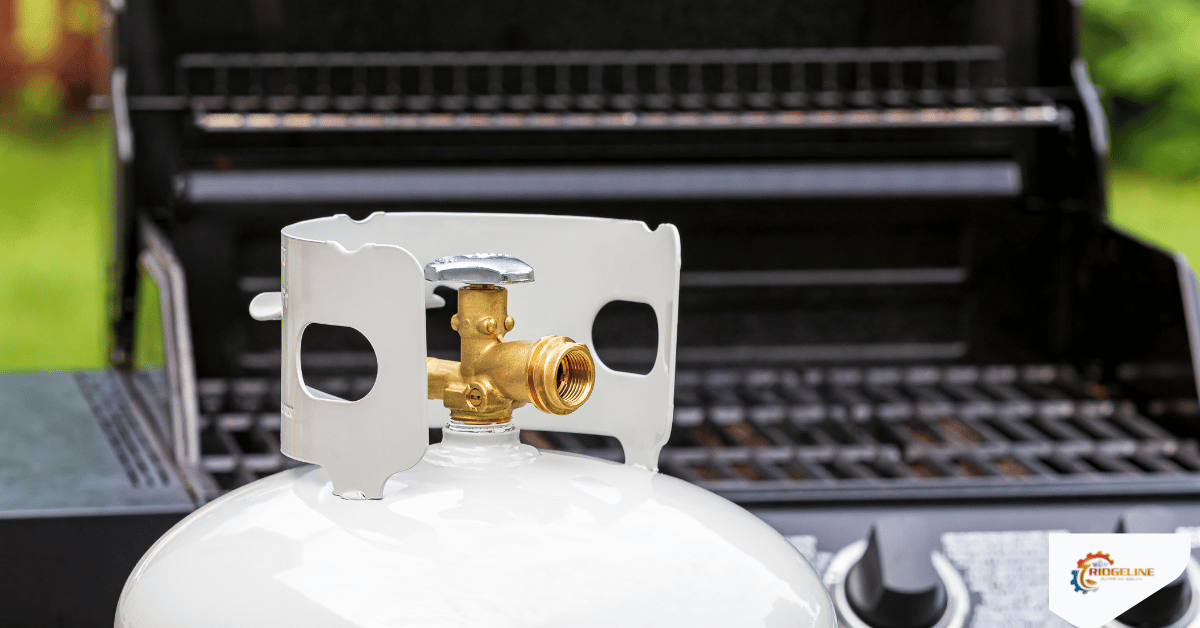
For grilling enthusiasts, the debate between natural gas grills and propane grills mirrors home heating choices. A gas grill using natural gas never runs out but requires a gas line.
Final Thoughts on the Best Fuel for Your Home
Both propane and natural gas have proven themselves as dependable heating options for Idaho homeowners. The economical choice and best for your home depends on your location, comfort needs, and overall budget. Since propane offers strong heat output and independence from utility lines as a versatile fuel source, it works well for rural properties.
If you are still unsure which fuel fits your home best, Idaho Falls Heating and Cooling is ready to help. Our team provides heating system evaluations, furnace installation, repair services, cleaning, and guidance to ensure your home stays comfortable through every Idaho winter.


