Skip to content




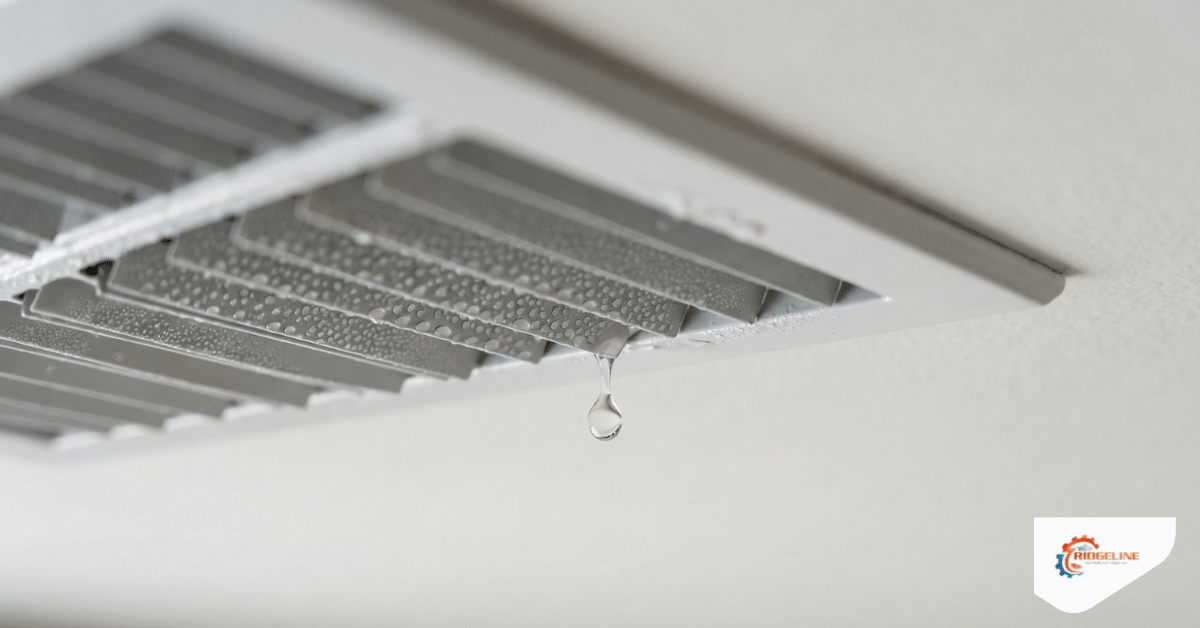
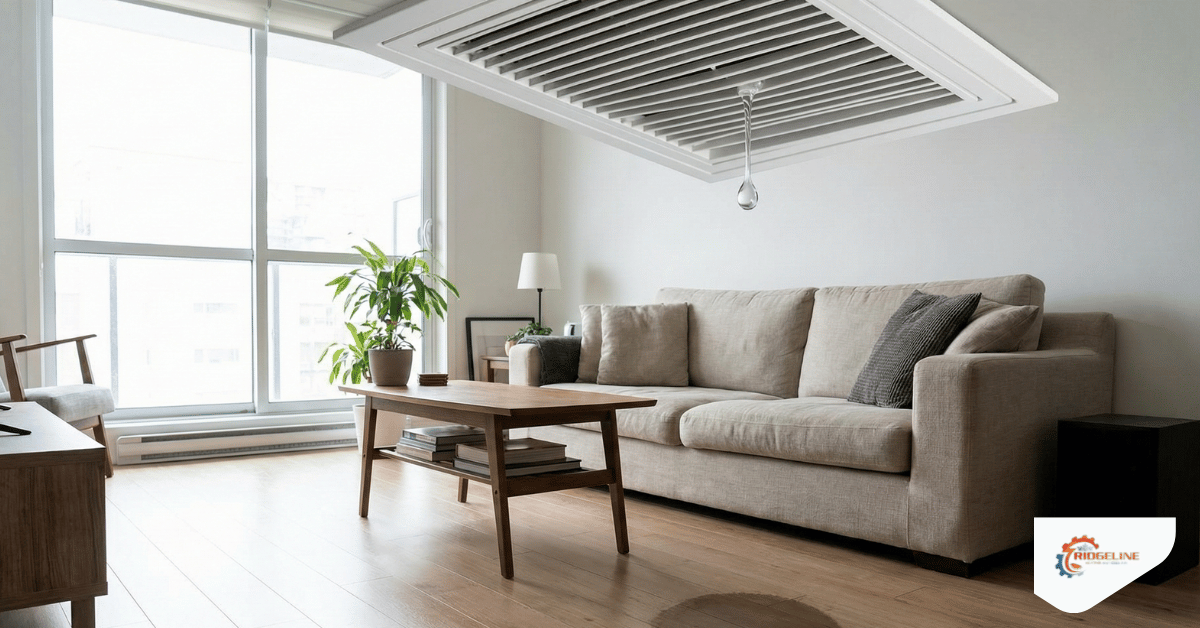
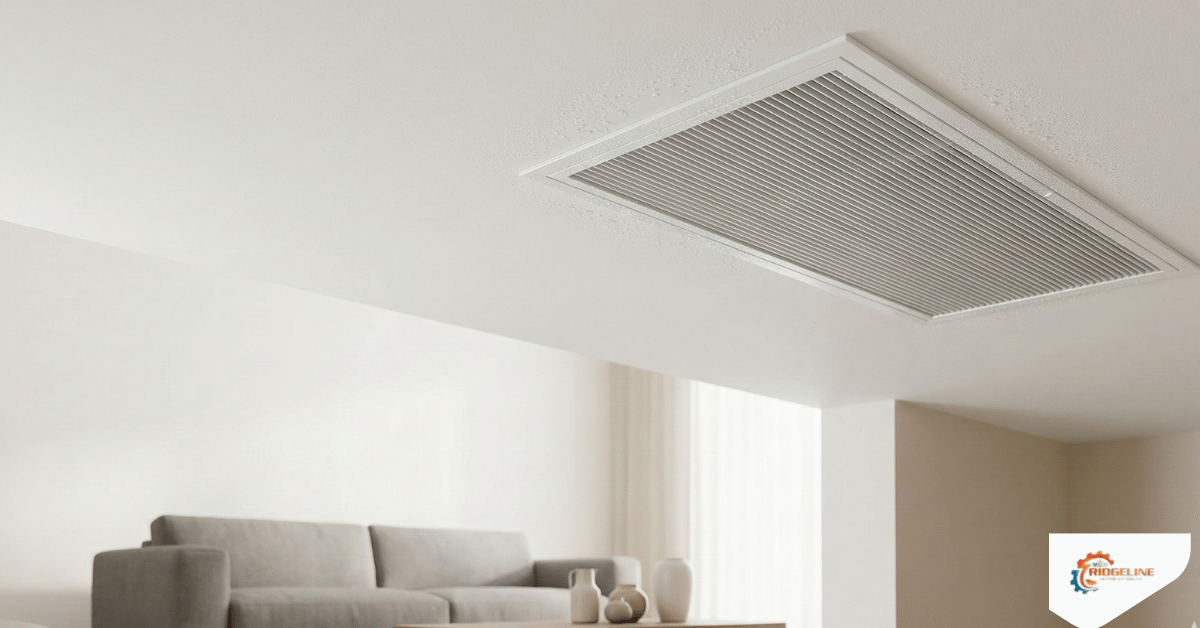
Noticing water dripping from an air vent in your ceiling can be alarming. What starts as a small drip or a faint ceiling stain can quickly turn into serious water damage, mold growth, and expensive repairs if left unaddressed. Your air conditioning system naturally produces condensation as it cools your home, but when that moisture ends up in the wrong place, it signals a problem that needs your attention.
What To Do if Water Is Dripping From Your Air Vent
The good news is that understanding why this happens and knowing what steps to take can help you protect your home and avoid costly damage. This guide will walk you through the most common causes of water dripping from air vents, safe checks you can perform yourself, clear signs that it’s time to call a professional, and practical prevention tips to keep your system running smoothly.
What Causes Water to Drip From Air Vents?
Several issues can cause air conditioning leaking water through your ceiling vents. The most common culprits include:
- Clogged condensate drain lines (the #1 cause)
- Dirty air filters leading to frozen coils
- Poor duct insulation creating condensation
- Low refrigerant levels or improper system sizing
Let’s break down each of these issues so you can identify what might be happening in your home.
Clogged Condensate Drain Lines
The most common culprit behind water dripping from AC vents can lead to serious damage is a clogged condensate drain line. Your air conditioner removes moisture from the air as it cools, and this water normally flows through a drain line to the outside of your home. Over time, clogged drain lines from algae and debris build up inside the pipe, preventing proper drainage.
When the drain line becomes blocked, water backs up into the drain pan. If the pan overflows, that water can seep into your ductwork and eventually drip through your ceiling vents. This is especially common in systems installed in attics or upper floors, where gravity works against the drainage system.
Dirty Air Filters and Frozen Coils
A dirty air filter might seem like a minor issue, but it can create a cascade of problems. When your filter is clogged with dust and debris, it restricts airflow over the evaporator coils. This causes frozen evaporator coils from restricted airflow, and when the ice eventually melts, it produces more water than your drainage system can handle.
The excess moisture from melting ice can overflow the drain pan and leak into your ductwork. You might notice this issue more after your system shuts off for a period, allowing the ice to thaw completely.
Poor Duct Insulation
Condensation occurs when humid air contacts cold surfaces, and poorly insulated ductwork creates the perfect conditions for this problem. When cold air flows through uninsulated ducts in a hot attic or crawl space, moisture forms on the outside of the ducts. This condensation can then drip into your living spaces through the vents. In some cases, improper HVAC sizing can create moisture problems as well. An oversized system cools too quickly without properly removing humidity, leading to excess condensation throughout your ductwork.
Need this handled in Idaho Falls? See our AC repair in Idaho Falls page or call (208) 521-2041.
Immediate Steps to Take When You Notice Dripping
Quick action can prevent minor drips from becoming major water damage. Follow these steps as soon as you notice water coming from your air vents:
Step 1: Turn Off Your HVAC System
- Switch off the system at your thermostat
- Turn off the breaker to prevent electrical hazards
- Do not restart until the issue is identified and resolved
Step 2: Protect Your Home
- Place buckets or towels under dripping vents
- Move furniture and valuables away from affected areas
- Take photos of damage for insurance purposes if needed
Step 3: Check for Water Damage
- Look for ceiling stains or discoloration
- Check for bubbling paint or soft spots in drywall
- Watch for signs of sagging or bulging ceilings
According to EPA guidelines for preventing mold, wet materials should be dried within 24 to 48 hours, as mold can develop within 24 to 48 hours in damp conditions. Time is critical when dealing with water from air vents.
Safe DIY Checks You Can Perform
Before calling a technician, there are a few simple checks you can safely perform:
- Inspect your air filter – If it’s dirty or clogged, replace it immediately with a new one
- Check the outdoor drain line – Look near your foundation to see if water flows freely when the system runs
- Examine the drain pan – If you can access it safely, check if it’s full or overflowing
- Verify vent airflow – Make sure all vents are open and not blocked by furniture or curtains
These basic checks can help you determine whether the issue is simple or requires professional attention.
When Should You Call a Professional?
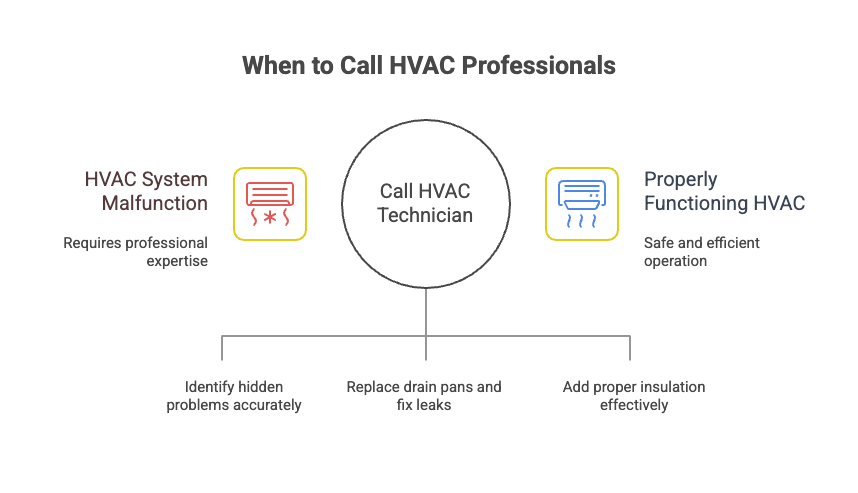
While some basic troubleshooting is safe for homeowners, many situations require professional expertise. Knowing when to stop DIY efforts and call for help protects both you and your HVAC system.
Warning Signs That Require Expert Help
Call for emergency AC repair services immediately if you notice:
- Active water leaking or pooling on floors
- Ceiling sagging or bulging from water weight
- Visible mold or mildew growth near vents
- Musty odors throughout your home
- System not cooling properly despite a clean filter
- Water damage spreading to walls or other areas
Emergency Alert: If you see pooling water or your ceiling is sagging, shut off your HVAC system immediately and call for emergency service. A sagging ceiling indicates structural stress and could collapse.
What HVAC Technicians Can Fix
Professional technicians have the tools and training to address complex issues. They can:
- Clear stubborn drain line clogs with specialized equipment
- Repair or replace damaged drain pans
- Check refrigerant levels and fix leaks
- Seal ductwork leaks and add proper insulation
- Identify hidden problems through comprehensive system diagnostics
Understanding how dew point affects condensation requires technical knowledge and specialized equipment that professionals use to diagnose moisture issues accurately.
How to Prevent Water Dripping in the Future
Prevention is always easier and less expensive than repairs. Follow these maintenance habits to avoid water dripping from your air vents:
Monthly Drain Line Maintenance Checklist
Simple Vinegar Treatment (Every 30 Days):
- Locate the T-shaped access point on your drain line
- Pour 1/4 cup of distilled white vinegar into the opening
- Let it sit for 30 minutes to kill algae and bacteria
- Flush with water to ensure clear flow
- Replace the access cap securely
This regular vinegar maintenance for drain lines prevents the buildup that causes most drain clogs. A homeowner we worked with noticed ceiling stains near a bedroom vent during peak summer. The condensate drain line was completely clogged with algae buildup. After professional cleaning and implementing monthly vinegar maintenance, the issue never returned, saving them from costly ceiling repairs.
Year-Round Prevention Tips
Filter Maintenance:
- Change filters every 1-3 months depending on your home environment
- Homes with pets or allergies may need monthly changes
- Mark your calendar to stay on schedule
Professional Care:
- Schedule a seasonal maintenance plan before cooling season
- Professional tune-ups include drain line cleaning and coil inspection
- Consider professional duct cleaning to remove debris
Humidity Control:
- Keep indoor humidity below 60% as recommended for maintaining proper humidity levels below 60%
- Use dehumidifiers during humid Idaho summers
- Ensure bathrooms and kitchens have proper ventilation
Protect Your Home From Water Damage
Water dripping from your air vents isn’t something to ignore or put off. The longer moisture problems persist, the greater your risk of ceiling damage, mold growth, and structural issues. By understanding the common causes, taking immediate protective action, and knowing your limits with DIY troubleshooting, you can prevent minor drips from becoming major headaches.
If you’re seeing active water dripping, ceiling stains, or any other warning signs, don’t wait for the problem to worsen. Our team provides fast, reliable service to diagnose and fix the root cause, protecting your home and your comfort. Schedule a professional HVAC inspection today to catch issues before they cause damage, and ask about our seasonal maintenance services to keep your drain lines clear all year long.
Remember: If water is pooling or your ceiling is sagging, shut off your system and call for emergency service immediately. Your safety and your home’s integrity are worth the quick response.
Water still dripping from the vent?
A clogged condensate line or frozen coil will not fix itself, and ceiling drywall is expensive. Our technicians handle same-day AC repair in Idaho Falls across Idaho Falls, Ammon, Rexburg and the surrounding valley.
Call (208) 521-2041 or request service online. Ridgeline Heating and Cooling, 370 College St, Idaho Falls, ID 83401.