Skip to content




You turn on your air conditioner after a long day, expecting that familiar rush of cool, fresh air. Instead, you’re hit with a musty, earthy smell that makes you wonder what’s lurking inside your HVAC system. If this sounds familiar, you’re not alone. Mold in air vents is more common than most Idaho homeowners realize, and it’s doing more than just creating unpleasant odors. Every time your system runs, it could be circulating mold spores throughout your home, affecting your family’s health and comfort.
The good news? Once you know what to look for, you can take action to address mold in your vents and prevent it from coming back. This guide will walk you through the signs of mold growth, what causes it, the health risks you should know about, what you can safely handle yourself, and when it’s time to call in the pros.
What Are the Signs of Mold in Your Air Vents?
Mold doesn’t always announce itself with visible growth. Sometimes the first clues are subtle, but they’re important to catch early before the problem spreads.
Musty or Earthy Odors
One of the most common early warning signs is a distinctive musty smell that gets stronger when your heating or cooling system is running. This odor often smells like damp socks, wet wood, or an old basement. If you notice the smell is more intense near certain vents or in specific rooms, that’s a strong indicator that mold has taken hold somewhere in your ductwork. The scent comes from microbial volatile organic compounds that mold releases as it grows.
Visible Dark Spots or Black Dust
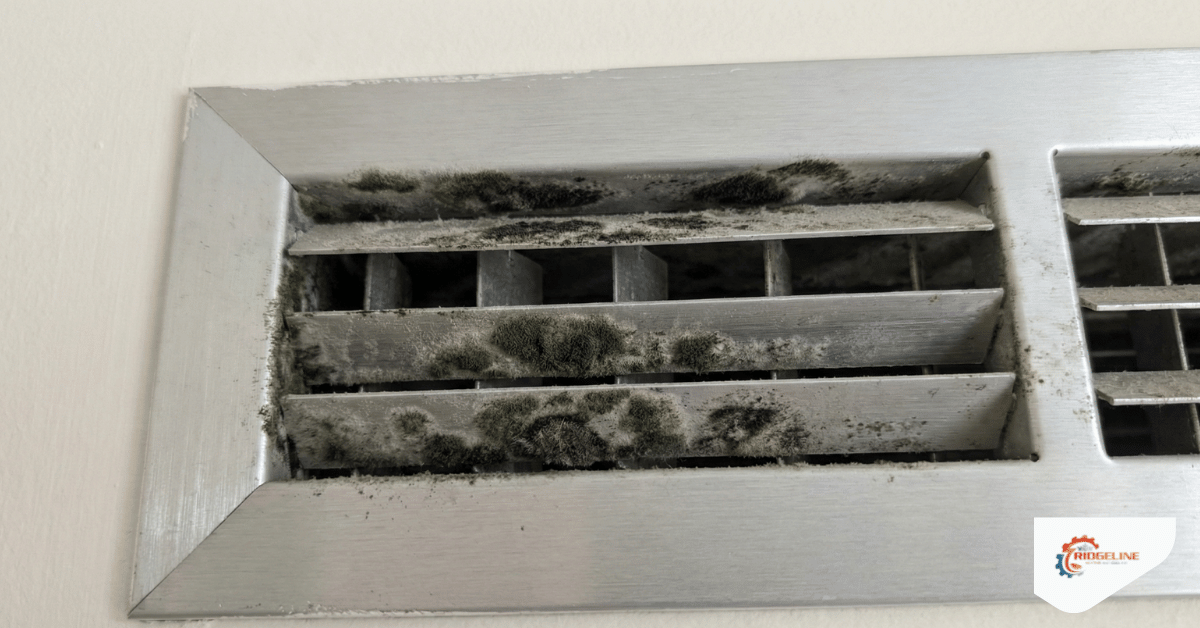
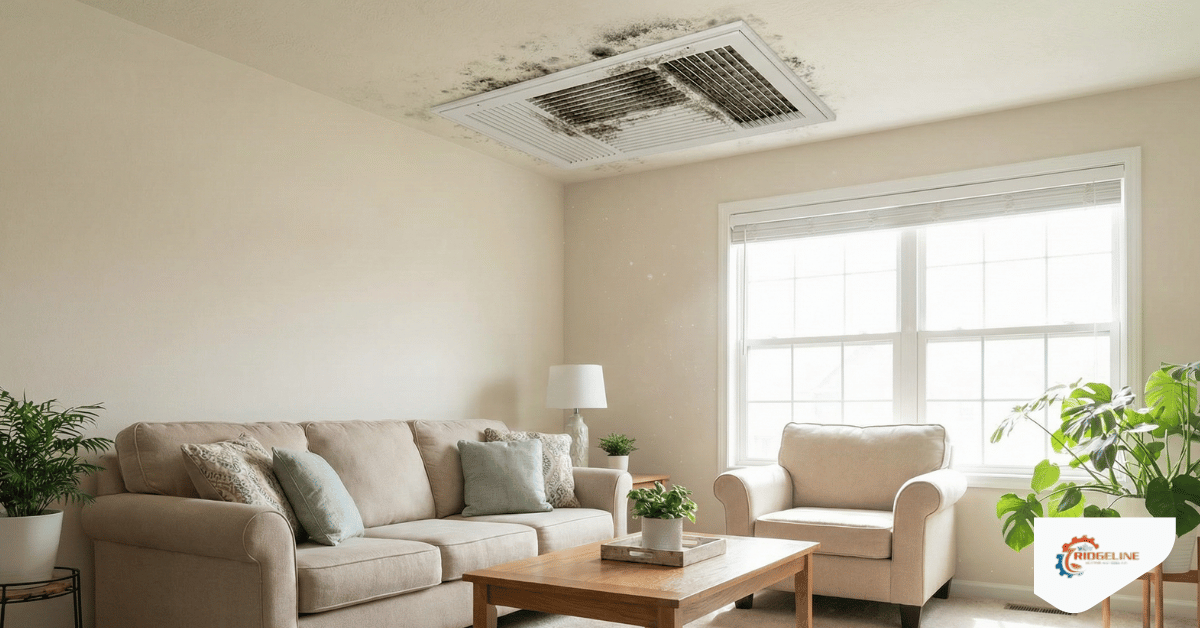
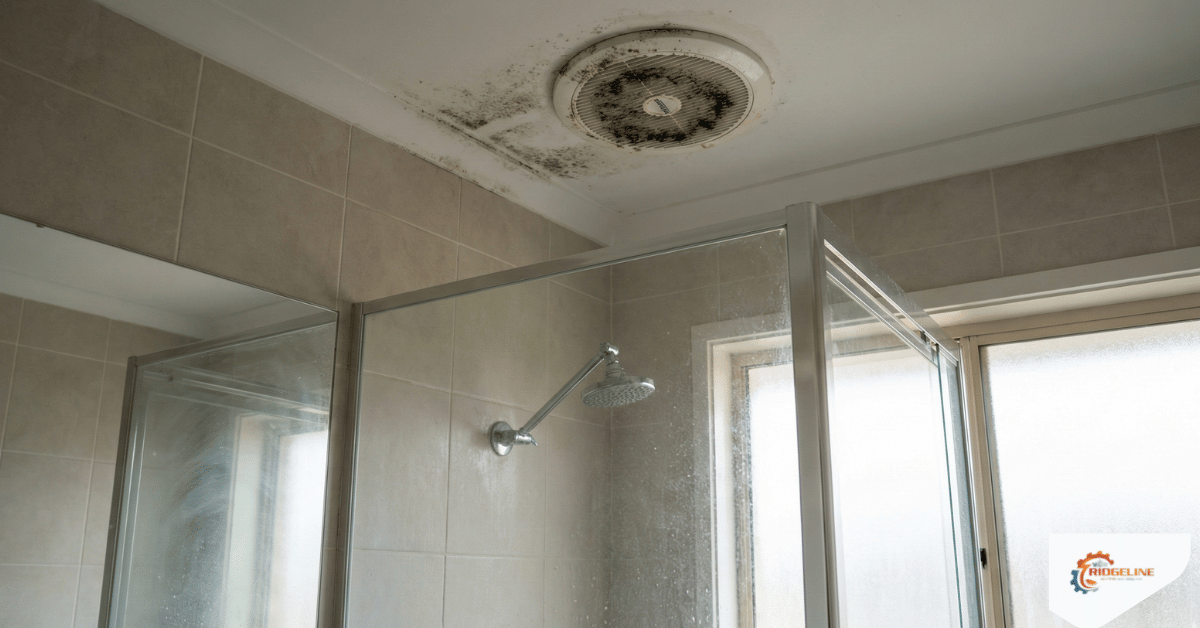
Check the area around your air vents and registers. If you see black, green, or brown spots, patches, or a film of dark dust accumulating around the vent covers, there’s a good chance mold is growing inside. These spots are often difficult to wipe away completely and may have a slightly slimy or fuzzy texture. Don’t touch them with bare hands, as direct contact can cause skin irritation.
Unexplained Health Symptoms
Here’s where things get personal. A local homeowner noticed a persistent musty smell whenever their heating system ran, especially in the master bedroom. Family members started experiencing unexplained allergy symptoms like sneezing and watery eyes that seemed worse at night. After a professional inspection, technicians discovered mold growth in the return air vents near the bathroom, where steam from showers had been creating excess moisture. Once the ducts were professionally cleaned and a small vent leak was sealed, the symptoms disappeared within a week.
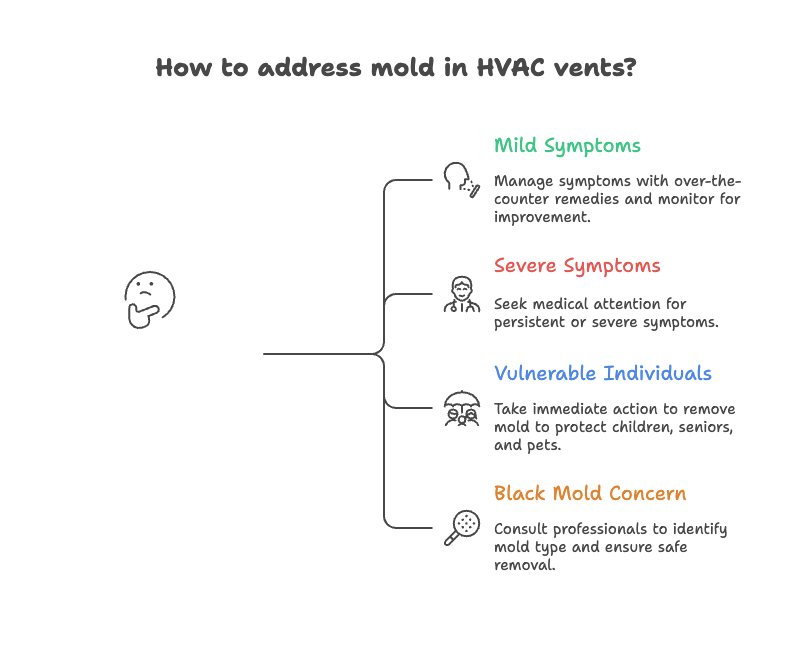
If you or your family members experience any of these symptoms that worsen when the HVAC system is running, mold could be the culprit:
- Stuffy nose or sinus congestion
- Sore throat or persistent cough
- Watery, itchy eyes
- Skin rashes or irritation
- Headaches or fatigue
- Difficulty breathing or wheezing
Need this handled in Idaho Falls? See our air duct cleaning and sanitizing page or call (208) 521-2041.
What Causes Mold to Grow in HVAC Systems?
Understanding why mold grows in your vents helps you prevent it from happening in the first place. Mold needs three things to thrive: moisture, warmth, and something to feed on. Your HVAC system can provide all three under the right conditions.
Excess Moisture and Humidity
Moisture is the biggest factor in mold growth. When warm, humid air comes into contact with cold duct surfaces, condensation forms. This is especially common during Idaho’s warmer months when your air conditioner is working hard. Indoor humidity should stay below 50% to prevent mold growth, according to optimal humidity levels for mold prevention. When humidity climbs above 60%, you’re creating an environment where mold spores can settle and multiply quickly.
Interestingly, research on oversized air conditioning units shows that having an AC that’s too large for your space can actually make the problem worse. An oversized unit cools your home too quickly and shuts off before it has a chance to remove humidity from the air, leaving excess moisture in your ducts.
Poor Ventilation and Airflow
Stagnant air creates pockets where moisture can accumulate without drying out. Bathrooms, kitchens, and laundry rooms are particularly vulnerable because they generate steam and humidity. If these rooms don’t have proper ventilation or if your HVAC system isn’t circulating air effectively, that moisture can make its way into your ductwork and create ideal conditions for mold.
Leaks and Condensation Issues
Mold often starts in common HVAC components prone to mold like drain pans and evaporator coils, then spreads throughout the system. A clogged condensate drain line can cause water to back up and overflow. Leaky ductwork allows humid outdoor air to seep in and condense on cool metal surfaces. Even small leaks in your roof or plumbing can introduce moisture that eventually finds its way into your ventilation system.
How Does Mold in Vents Affect Your Family’s Health?
Let’s talk about what really matters: keeping your family safe and healthy. The health effects documented by the CDC show that exposure to mold can cause a stuffy nose, sore throat, coughing, wheezing, burning eyes, or skin rash. For most people, these symptoms are uncomfortable but manageable.
Respiratory Issues and Allergies
When mold spores circulate through your air vents, they become airborne and easy to inhale. This can trigger allergic reactions in sensitive individuals, causing symptoms that mimic seasonal allergies or colds. People with asthma may experience more frequent or severe attacks. Chronic exposure can lead to persistent respiratory irritation and difficulty breathing.
Effects on Children, Seniors, and Pets
Young children, older adults, and pets are particularly vulnerable to mold exposure. Their immune systems may not handle mold spores as effectively, making them more likely to develop symptoms. If you notice your kids seem to have a cold that never quite goes away, or your elderly parents are experiencing unexplained respiratory issues when they visit, mold in your HVAC system could be contributing.
When to Take Health Symptoms Seriously
Now, let’s clear up some confusion. You’ve probably heard scary stories about “black mold,” and while it’s true that Stachybotrys chartarum (commonly called black mold or toxic mold) can produce harmful mycotoxins, what experts say about black mold prevalence reveals it’s actually far less common than most people think. This particular species requires humidity levels above 90% to grow, which is much higher than typical indoor conditions. Most black-colored mold found in homes is actually other, less harmful varieties.
That said, any mold in your vents should be taken seriously. If you have a compromised immune system or chronic lung disease, even common mold types can pose health risks.
What Can You Safely Do Yourself About Mold?
If you’ve spotted some mold around your vent covers or suspect a minor problem, there are a few things you can handle on your own.
Cleaning Visible Mold on Vent Covers
For small amounts of surface mold on accessible vent covers, you can try safe DIY cleaning solutions. Here’s how:
- Turn off your HVAC system completely
- Put on protective gear (gloves, safety goggles, and an N-95 mask)
- Remove the vent covers carefully
- Spray undiluted white vinegar or 3% hydrogen peroxide on the affected areas
- Let it sit for at least an hour to kill mold spores
- Scrub with a brush and wipe clean
- Allow vent covers to dry completely before reinstalling
Inspecting Accessible Areas with a Flashlight
Once you’ve removed vent covers, use a flashlight to peer into the ductwork. Look for visible mold growth, excessive dust buildup, or signs of moisture. Check for any dark spots, fuzzy patches, or discoloration. This visual inspection can help you understand the scope of the problem.
When DIY Isn’t Enough
Here’s the truth: DIY cleaning only addresses surface-level mold. It won’t eliminate spores deep inside your ductwork, and it won’t fix the underlying moisture problem that caused the mold in the first place. If mold keeps coming back after you clean it, if you can see growth inside the ducts beyond the vents, or if the musty smell persists, it’s time to call in professional help.
When Should You Call a Professional for Mold in Vents?
Some mold problems are beyond the reach of household cleaning supplies and weekend projects.
Signs You Need Expert Help
You should contact a professional HVAC technician or mold remediation specialist if you notice any of these situations:
- Mold covers a large area (more than 10 square feet)
- Mold is visible deep inside your ductwork
- You have fiberglass-lined or fiberglass flex ducts (these can’t be effectively cleaned and may need replacement)
- Family members are experiencing persistent health symptoms
- The musty odor remains strong even after surface cleaning
- You’ve had recent water damage or flooding
What Professional Duct Cleaning Includes
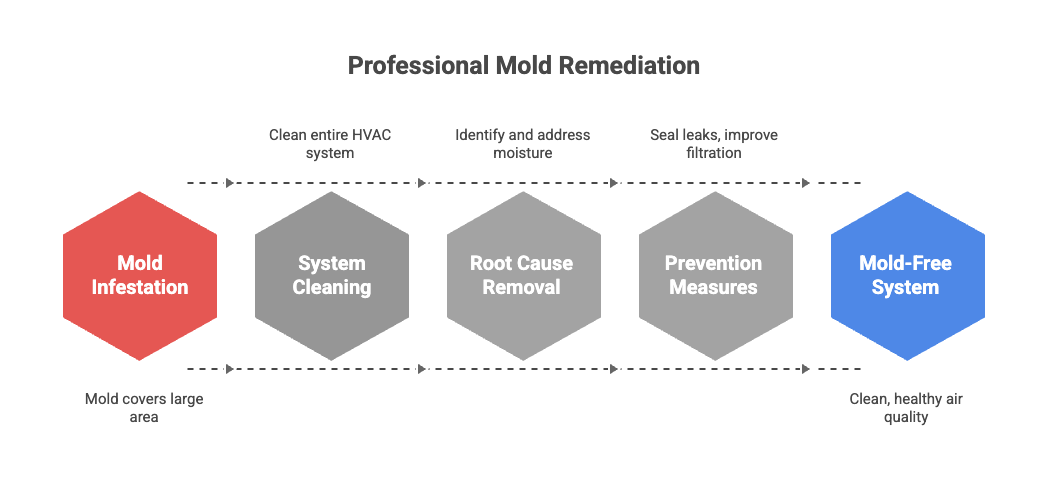
When you invest in professional air duct cleaning services, you’re getting more than just a vacuum and some disinfectant spray. Certified duct cleaning standards from the National Air Duct Cleaners Association (NADCA) require technicians to clean the entire HVAC system, not just the visible ductwork. This includes evaporator coils, drain pans, blower motors, air handlers, and all supply and return ducts.
Professional technicians use specialized equipment like HEPA vacuums, motorized brushes, and EPA-approved antimicrobial treatments. They’ll also identify and address the root cause of moisture that allowed mold to grow in the first place. Understanding the real benefits of professional duct cleaning can help you decide if this investment is right for your situation.
How Pros Prevent Mold from Returning
A quality mold remediation service doesn’t just remove the mold you can see. Professionals will seal any duct leaks, recommend repairs for moisture issues, and may suggest installing UV light systems or improved filtration to prevent future growth. They’ll also provide guidance on maintaining proper humidity levels and HVAC maintenance schedules.
How Can You Prevent Mold from Growing in Your Vents?
Prevention is always easier and less expensive than remediation. These practical steps can help you keep mold out of your HVAC system for good.
Control Indoor Humidity Levels
Keeping your home’s humidity in check is the single most effective way to prevent mold growth. Aim to maintain indoor humidity between 30% and 50%. In Idaho’s dry climate, this might seem easy during winter, but summer humidity and indoor moisture sources like cooking, showering, and laundry can quickly raise levels. Consider installing a whole-home dehumidifier installation that works with your HVAC system to automatically control moisture throughout your entire home.
Replace Air Filters Regularly
Your air filter is your first line of defense against airborne particles, including mold spores. Change your filters every one to three months, depending on usage and whether you have pets or allergies. High-quality HEPA filters can trap tiny mold spores before they circulate through your home. For even better protection, air purification systems that trap mold spores can add an extra layer of defense.
Schedule Routine HVAC Maintenance
Regular professional maintenance helps catch mold problems before they spiral out of control. During routine service calls, technicians inspect drain pans, clean evaporator coils, check for leaks, and ensure your system is draining condensation properly. They can spot early warning signs of moisture issues and address them before mold has a chance to establish itself. A maintenance plan also keeps your system running efficiently, which helps with proper humidity control.
Additional prevention tips include:
- Run exhaust fans in bathrooms and kitchens during and after use
- Ensure proper attic and crawl space ventilation
- Fix plumbing leaks promptly
- Keep furniture and curtains away from vents to maintain good airflow
- Have your ductwork inspected if you’ve recently experienced water damage or flooding
Take Control of Your Indoor Air Quality
Mold in air vents isn’t just an aesthetic problem or a minor inconvenience. It’s a genuine health concern that deserves your attention. By recognizing the signs early, understanding what causes mold growth, and knowing when to handle it yourself versus calling in professionals, you can protect your family’s health and your home’s comfort.
Remember, the musty smell or those unexplained allergy symptoms aren’t things you have to live with. Whether it’s surface mold you can tackle on your own or a more serious issue that requires professional intervention, taking action now prevents bigger problems down the road.
If you suspect mold in your HVAC system or notice any of the warning signs we’ve discussed, don’t wait for the problem to get worse. Schedule a professional HVAC inspection to get a clear picture of what’s happening in your ductwork and what steps you need to take. Your family’s health and your peace of mind are worth it.
Found mold in your vents?
Cleaning the visible register is not enough if the coil or duct interior is contaminated. Schedule air duct cleaning and sanitizing and we will inspect the evaporator coil and drain pan as well.
Call (208) 521-2041 or request service online. Ridgeline Heating and Cooling, 370 College St, Idaho Falls, ID 83401.