



If you’ve been experiencing sneezing, a dry throat, or persistent headaches that seem to appear whenever you turn on your air conditioner, you’re not alone. Many Idaho homeowners wonder if their cooling system is actually making them sick. The good news? Your AC isn’t inherently harmful. The bad news? Poor maintenance, dirty filters, and incorrect settings can create conditions that genuinely affect your health.
Can Air Conditioning Make You Sick in Summer
In this guide, we’ll separate the myths from the facts about air conditioning and your health. You’ll discover how neglected AC systems can cause real problems, what symptoms to watch for, and most importantly, the practical steps you can take to keep your indoor air clean and healthy all summer long.
Can Air Conditioning Actually Make You Sick?
The Short Answer: It’s Complicated
The cold air from your air conditioner won’t give you a cold or the flu. However, HVAC experts explain that air conditioners can interact with your indoor environment in ways that trigger real health symptoms. The key difference is that it’s not the AC itself causing problems but rather what happens when systems aren’t properly maintained or configured.
How Your AC Interacts with Indoor Air Quality
Your air conditioning system continuously circulates air throughout your home. When working correctly with clean filters, it actually improves indoor air quality by removing dust, pollen, and other particles. The trouble starts when filters become clogged, moisture accumulates in the system, or humidity levels drop too low. HVAC research confirms that well-maintained air conditioners improve air quality, while neglected systems can worsen existing symptoms or create new ones.
When AC Becomes a Health Concern
Air conditioning becomes a health concern in three main situations:
- Neglected maintenance: Systems that aren’t cleaned regularly harbor mold, bacteria, and allergens that get blown into your living spaces
- Excessive dryness: Constant cooling removes too much moisture, irritating your respiratory system
- Poor ventilation: Stale indoor air accumulates contaminants that affect your wellbeing
What Are the Real Health Risks from Air Conditioning?
Dry Air and Respiratory Irritation
HVAC system studies demonstrate that air conditioners naturally remove moisture during the cooling cycle. While this helps combat Idaho’s occasional humid days, it can also create air that’s too dry. When indoor humidity drops below 30 percent, you may experience several uncomfortable symptoms.
Multiple studies from Johns Hopkins researchers show that spending extended time in air-conditioned rooms leads to more respiratory symptoms. Dry air weakens your lungs’ natural defenses against microbes, making you more susceptible to illness, especially if you have asthma or allergies. The ideal humidity range for your home is between 40 and 60 percent.
Common dry air symptoms include:
- Dry, itchy, or irritated eyes
- Scratchy throat and persistent cough
- Irritated nasal passages and nosebleeds
- Increased susceptibility to colds and respiratory infections
- Worsened asthma and allergy symptoms

Dirty Filters Circulating Contaminants
Indoor air quality studies reveal a startling fact: the air inside your home can be up to five times more polluted than outdoor air when filters aren’t changed regularly. Clogged filters lose their ability to trap dust, pet dander, pollen, and bacteria. Instead of capturing these particles, dirty filters allow them to circulate freely throughout your home.
Even worse, old filters can become breeding grounds for mold and bacteria. Every time your system runs, these contaminants get blown into the rooms where your family spends time. If you’re wondering how often to change your air filter, the answer depends on your household, but most Idaho Falls homes need filter changes every one to three months during peak cooling season.
Mold and Bacteria Growth in Neglected Systems
Air conditioning systems create condensation as they cool your home. When this moisture isn’t properly drained or when systems aren’t cleaned regularly, it creates the perfect environment for mold and bacterial growth. Research from microbiologists shows that poorly maintained AC units can even harbor dangerous bacteria like Legionella, which causes Legionnaires’ disease, a serious lung infection with symptoms similar to pneumonia.
Common contaminants in neglected AC systems:
- Legionella bacteria: Causes Legionnaires’ disease with symptoms appearing 2-14 days after exposure
- Aspergillus fungi: Leads to persistent coughing, wheezing, and shortness of breath
- Mold spores: Triggers allergic reactions and respiratory problems
- Various bacteria: Can cause infections, especially in immunocompromised individuals
Regular professional air duct cleaning helps eliminate these hidden health hazards before they affect your family.
Sick Building Syndrome
Medical research on sick building syndrome identifies a condition where people experience health symptoms specifically related to spending time in certain buildings. Poor ventilation and contaminated AC systems are common culprits.
Peer-reviewed research from medical journals tracked 200 people who worked in air-conditioned offices for two years. The AC users experienced significantly more allergy symptoms, reduced lung function, and more sick days compared to those working in naturally ventilated spaces. The difference? Regular maintenance and proper air quality management.
Sick building syndrome symptoms include:
- Headaches and dizziness
- Dry cough and throat irritation
- Difficulty concentrating and brain fog
- Nausea and general discomfort
- Fatigue that improves after leaving the building
What Symptoms Could Your AC Be Causing?
Respiratory Problems and Allergies
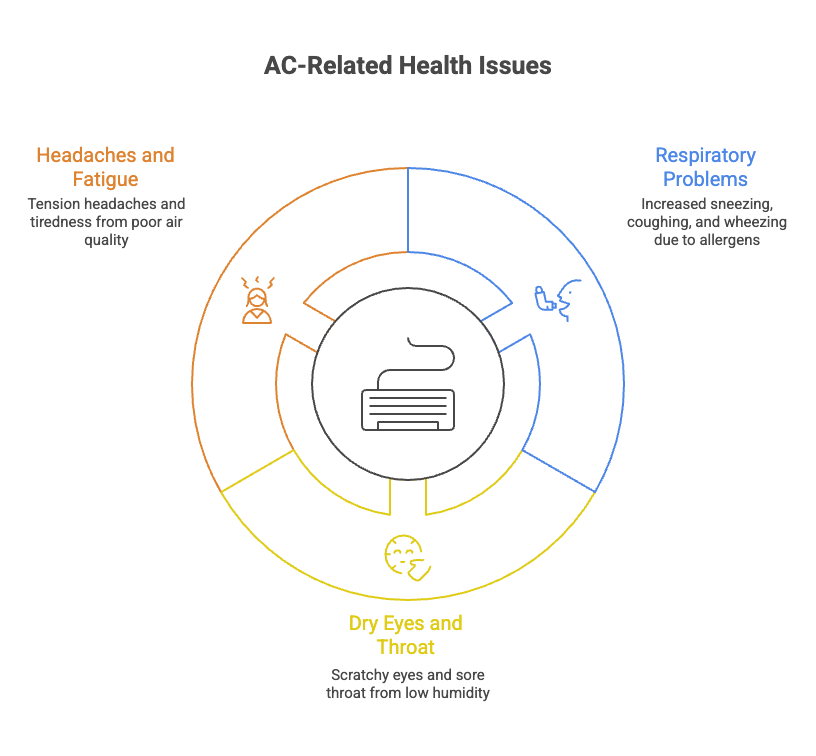
The most common AC-related health complaints involve your respiratory system. You might notice increased sneezing, coughing, or wheezing when your AC is running. These symptoms often result from circulating allergens that a dirty filter failed to capture. For people with asthma, exposure to these airborne particles can trigger more frequent and severe attacks.
Common respiratory symptoms include:
- Increased sneezing and runny nose
- Persistent coughing or wheezing
- Chest tightness and difficulty breathing
- Worsened asthma attacks
- Sinus congestion and pressure
- More frequent allergy flare-ups even when indoors
If you have seasonal allergies, a poorly maintained AC system can make symptoms worse even when you’re indoors where you’d normally find relief.
Dry Eyes, Nose, and Throat
When your AC removes too much moisture from the air, your body’s mucous membranes dry out. These symptoms indicate your indoor humidity has dropped too low and needs correction with humidifier and dehumidifier solutions.
Signs your air is too dry:
- Waking up with a sore or scratchy throat
- Frequent nosebleeds, especially in the morning
- Eyes feeling scratchy, itchy, or irritated
- Dry, tight, or flaky skin
- Increased static electricity in your home
- Cracked lips despite using lip balm
Headaches and Fatigue
Persistent headaches are a common complaint in homes with poor indoor air quality. The combination of dry air, circulating contaminants, and potential mold exposure can trigger tension headaches or even migraines. You might also feel unusually tired or find it difficult to concentrate when you’re indoors, even after a full night’s sleep.
When to Worry About Serious Issues
Most AC-related symptoms are uncomfortable but not dangerous. However, you should seek medical attention if you experience:
- Severe or worsening respiratory problems
- Chest pain or difficulty breathing
- Persistent fever above 100.4°F
- Symptoms that don’t improve when you leave your home
- Coughing up blood or colored mucus
These could indicate a more serious issue like Legionnaires’ disease or significant mold exposure that requires professional remediation.
How Does Poor AC Maintenance Lead to Health Problems?
The Dangers of Clogged Air Filters
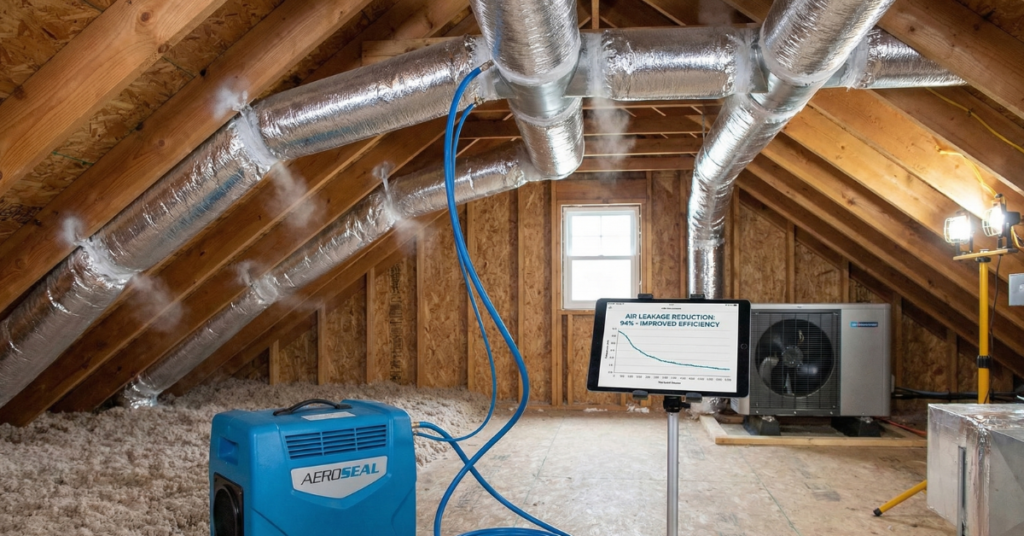
Your air filter is your first line of defense against indoor air pollution. When it becomes saturated with dust and debris, it can’t trap new particles effectively. Airflow becomes restricted, forcing your system to work harder and potentially pull in contaminants from cracks in your ductwork.
What happens with dirty filters:
- Reduced filtration efficiency allows allergens to circulate freely
- Restricted airflow forces your system to work harder
- Contaminants accumulate on the filter and break loose into your air
- Energy bills increase due to reduced efficiency
- HVAC system components wear out faster
The accumulated material on the filter itself can become a source of pollution as particles break loose and recirculate through your home.
Moisture Buildup and Mold Growth
Every air conditioning system produces condensation. In a properly maintained unit, this water drains away through designated lines and doesn’t cause problems. But when drain pans rust, drain lines clog, or evaporator coils aren’t cleaned, moisture accumulates. This standing water becomes a breeding ground for mold and bacteria within days.
The real danger is that you can’t see these problems developing inside your HVAC system. By the time you notice musty odors or visible mold, the contamination has likely been spreading for weeks.
Improper Temperature Settings
Running your AC at extremely cold temperatures might feel refreshing on a hot Idaho day, but it can cause health problems. Setting your thermostat too low creates an excessive temperature difference between indoors and outdoors, which stresses your body’s temperature regulation system. It also removes more humidity than necessary, creating the dry air problems we discussed earlier.
Lack of Fresh Air Circulation
Modern homes are well-sealed for energy efficiency, which is generally good. However, this means your AC is often recirculating the same air rather than bringing in fresh outdoor air. Without adequate ventilation, indoor pollutants accumulate, carbon dioxide levels rise, and air quality gradually degrades. Adding air purification systems can help address this concern.
How Can You Prevent Air Conditioning Sickness?
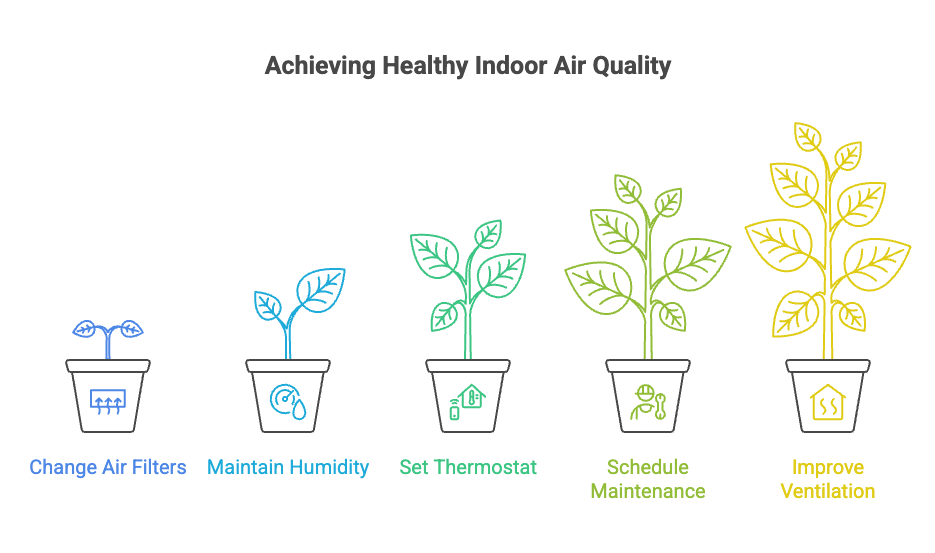
Taking care of your AC system and managing your indoor environment properly can eliminate most health concerns. Here are the five most effective prevention strategies:
1. Change Your Air Filters Regularly
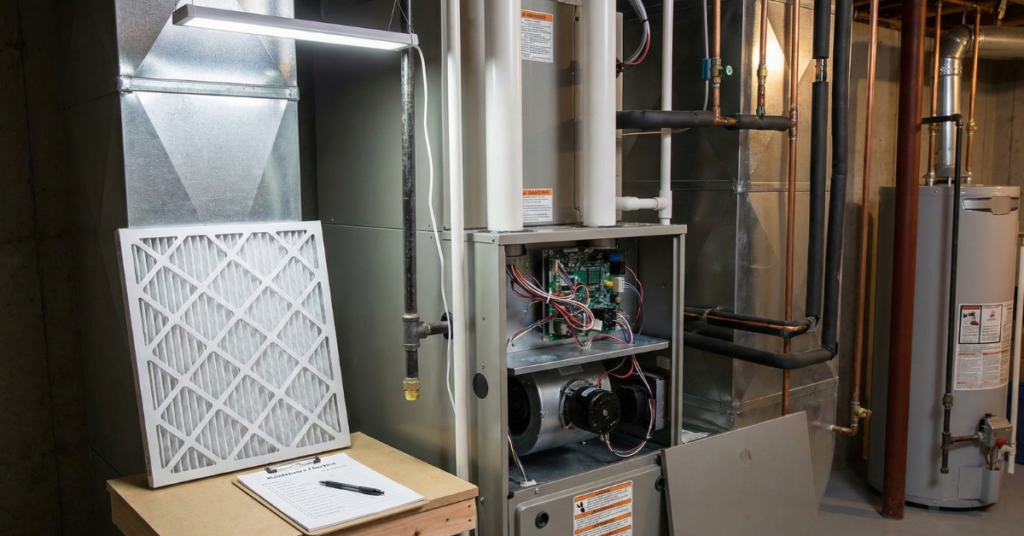
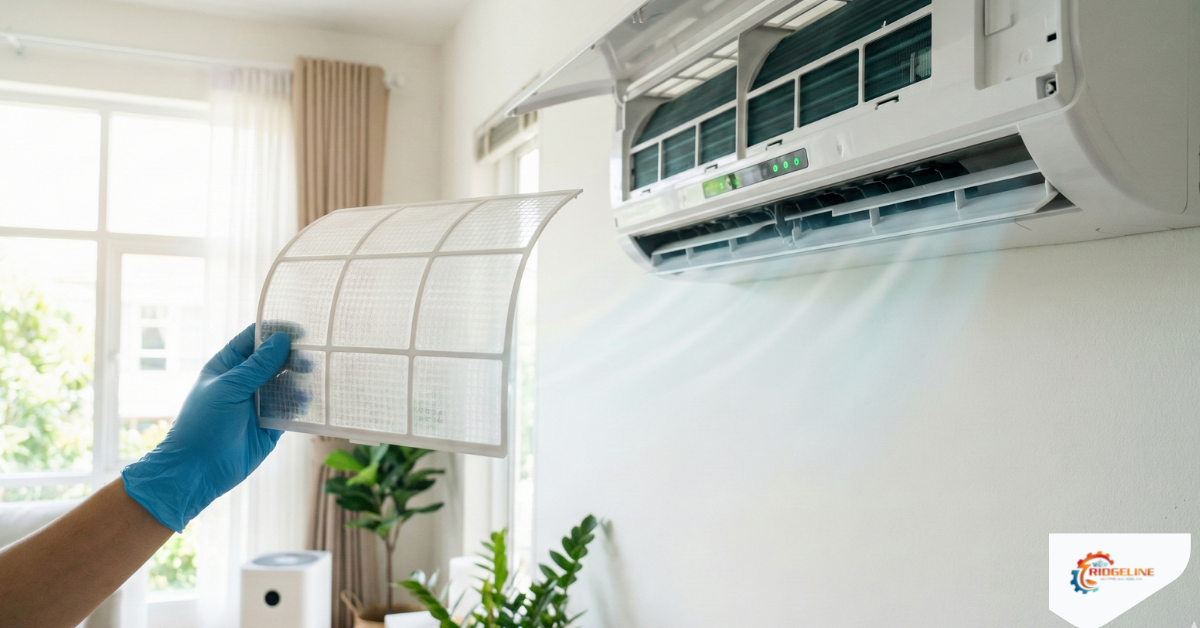
The single most important thing you can do is change or clean your air filters on schedule. During Idaho Falls’ cooling season, check your filter monthly and replace it when it looks gray or dirty. Homes with pets, allergies, or high dust levels may need even more frequent changes.
Filter change schedule:
- Standard homes: Every 2-3 months
- Homes with pets: Every 1-2 months
- Homes with allergies or asthma: Every 30-45 days
- During high-use summer months: Monthly checks
This simple maintenance task dramatically improves indoor air quality and prevents most AC-related health problems.
2. Maintain Proper Humidity Levels (40-60%)
Invest in an inexpensive humidity monitor to track your indoor levels. The sweet spot between 40 and 60 percent keeps viruses and bacteria at bay while maintaining comfortable, healthy air.
Humidity management tips:
- If humidity drops below 40%: Give your AC a rest and run a humidifier
- If levels exceed 60%: Use a dehumidifier to prevent mold growth
- Monitor daily during peak cooling season
- Adjust AC usage based on readings
3. Set Your Thermostat Correctly
For optimal health and comfort, set your thermostat to 75-78°F during the day. This temperature keeps you cool without creating excessive dryness or temperature shock when you go outside.
Smart thermostat settings:
- Daytime cooling: 75-78°F
- Nighttime: 72-75°F (if needed)
- Temperature difference: Keep indoor/outdoor gap at 20°F or less
- Avoid: Setting below 70°F unless medically necessary
4. Schedule Professional AC Maintenance
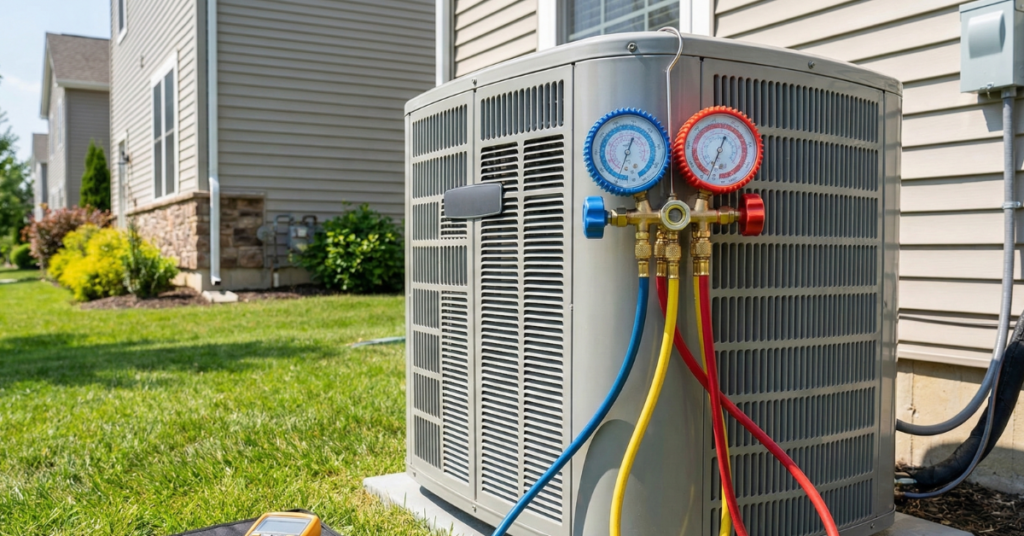
Even with regular filter changes, your AC needs professional attention at least once a year. A trained technician will clean your evaporator coils, check drain lines, inspect for mold growth, and ensure all components are working correctly.
Annual maintenance includes:
- Evaporator and condenser coil cleaning
- Drain line inspection and clearing
- Refrigerant level checks
- Electrical connection testing
- Airflow and efficiency measurements
- Mold and bacteria inspection
Consider joining our maintenance plan for twice-yearly tune-ups and priority scheduling. This preventative care catches problems before they affect your health and extends your system’s lifespan.
5. Improve Ventilation and Air Quality
Open windows and doors when outdoor temperatures are comfortable to allow fresh air circulation. Use exhaust fans in bathrooms and kitchens to remove excess moisture at its source.
Additional air quality improvements:
- Open windows during cool mornings and evenings
- Run exhaust fans when cooking or showering
- Upgrade to MERV 11-13 high-efficiency filters
- Consider whole-home air purification systems
- Add houseplants that naturally filter air
- Avoid smoking indoors
Keep Your Idaho Falls Home Healthy and Comfortable
The bottom line is simple: air conditioning doesn’t inherently make you sick, but neglected systems create conditions that can trigger genuine health symptoms. Regular filter changes, proper humidity control, and professional maintenance are your best defense against AC-related illness. Most symptoms are preventable with basic care and attention to your indoor air quality.
If you’ve been experiencing unexplained respiratory symptoms, headaches, or allergy flare-ups at home, your air conditioning system might need attention. Don’t wait for small problems to become major health concerns. Schedule a professional AC inspection with Ridgeline Heating and Cooling today. Our certified technicians will evaluate your system, test your indoor air quality, and recommend solutions to keep your family breathing easy all summer long.
Ready to breathe easier? Contact us now to book your AC maintenance appointment and enjoy healthy, comfortable indoor air.