Skip to content




Ductless heating systems give Idaho Falls homeowners a way to heat individual rooms without running air through miles of ductwork. These mini-split systems use up to 60% less energy than standard electric heating, according to ENERGY STAR, and modern cold-climate models work reliably in temperatures as low as -20 degrees Fahrenheit. If you are considering a heating upgrade, here is why ductless systems deserve a closer look.
Key Takeaways
- Ductless mini-splits can reduce energy consumption by 30% to 60% compared to traditional heating systems
- Cold-climate models perform effectively down to -13 to -20 degrees Fahrenheit, making them viable for Idaho Falls winters
- Idaho Falls Power offers zero-interest loans up to $10,000 for qualifying ductless installations
- Zoned heating allows room-by-room temperature control, cutting waste and boosting comfort
- A single-zone ductless install typically costs between $3,000 and $5,000
What Is a Ductless Heating System and How Does It Work?
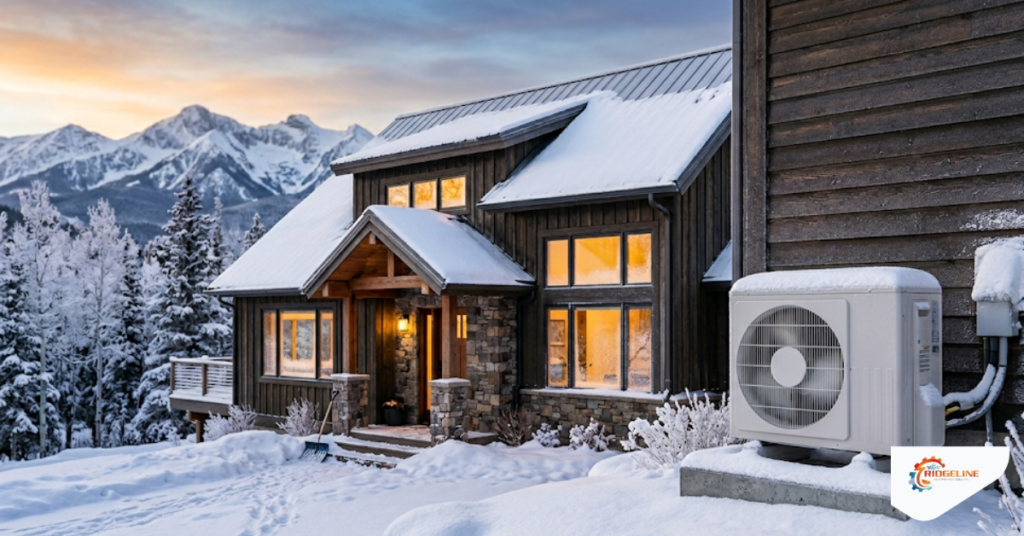
A ductless mini-split system has two main components: an outdoor compressor and one or more indoor air-handling units mounted on walls or ceilings. These units connect through a small conduit that carries refrigerant lines, power cables, and a drain line. Unlike traditional forced-air systems that push heated air through ductwork, a ductless system delivers warm air directly into each room.
Key Components of a Mini-Split System
The outdoor unit pulls heat from the outside air and transfers it indoors through refrigerant. Each indoor unit operates independently with its own thermostat, so you can set different temperatures in different rooms. Multi-zone systems can connect up to eight indoor units to a single outdoor compressor, giving you control over your entire home from one system.
Heating Mode vs. Cooling Mode
In heating mode, the system extracts heat from outdoor air and moves it inside. In cooling mode, it reverses the process by pulling heat from indoor air and releasing it outdoors. This dual function means one system handles both seasons, eliminating the need for separate heating and cooling equipment. If you are wondering whether a mini-split system is right for your home, the answer depends on your home’s layout, insulation, and current heating setup.
Why Are Ductless Systems More Energy Efficient?
No Ductwork Means No Energy Loss
In an average home, 25% or more of heating energy is lost through ductwork due to leaks, poor insulation, and gaps in connections. That means roughly a quarter of the energy you pay for never reaches your living spaces. Ductless systems skip the ducts entirely, delivering conditioned air straight from the indoor unit to the room. This alone accounts for a significant portion of the energy savings homeowners notice after switching.
Inverter Technology and Variable-Speed Compressors
Traditional HVAC systems cycle on and off at full power, which wastes energy during startup. Ductless mini-splits use inverter-driven compressors that adjust their speed based on how much heating or cooling a room needs at any given moment. This variable operation uses less electricity and maintains a more consistent temperature. Most modern ductless units start at 20 SEER and can exceed 30 SEER, well above the federal minimum of 14 SEER for northern states.
Can Ductless Heat Pumps Handle Idaho Falls Winters?
This is the most common concern Idaho Falls homeowners raise, and for good reason. Winter temperatures here regularly drop below freezing from November through February. The good news is that ductless technology has advanced significantly in recent years.
Cold-Climate Heat Pump Technology
Modern cold-climate heat pumps, often labeled “Hyper Heat” by manufacturers, maintain effective performance down to -20 degrees Fahrenheit. These units use advanced inverter compressors that ramp up output as temperatures drop, maintaining heating capacity when you need it most. A U.S. Department of Energy case study found that supplemental ductless heat pumps achieved 59% heating energy savings in homes that previously relied on electric resistance heating.
When You Might Need Backup Heat
During the coldest nights of the year, a ductless system may need support from a backup heat source. Many Idaho Falls homeowners pair their mini-split with an existing furnace or electric baseboard heaters that only kick in during extreme cold snaps. This dual approach keeps you comfortable year-round while still capturing the efficiency benefits of ductless heating for the majority of the winter season. For more on using mini-splits as your only heating source, your home’s insulation and size play a big role in that decision.
What Are the Cost Savings of Going Ductless?
Lower Monthly Utility Bills
Ductless systems save money two ways: they eliminate duct losses, and zoned heating means you are not paying to heat empty rooms. ENERGY STAR-certified mini-splits avoid more than 4,500 pounds of greenhouse gas emissions over their lifespan compared to standard systems. In real dollars, homeowners switching from electric resistance heating can expect to cut energy bills by 30% to 40%, with some seeing savings up to 60% depending on their previous system.
A single-zone ductless installation typically runs between $3,000 and $5,000, while multi-zone systems range from $8,000 to $15,000. The average lifespan of a well-maintained ductless system is 15 to 30 years, making the long-term return on investment strong for most homeowners.
Idaho Rebates and Financial Incentives in 2026
Idaho Falls homeowners have access to local financial programs that reduce the upfront cost of going ductless. Idaho Falls Power offers zero-interest loans up to $10,000 for qualifying ductless heat pump installations, available to customers with 12 months of utility payment history and no late payments. Idaho Power also provides rebates through its Heating and Cooling Efficiency Program for homes converting from electric baseboard or wall units.
Note that the federal Section 25C tax credit for air-source heat pumps expired on December 31, 2025. Equipment installed in 2026 does not qualify for the federal credit, but local utility programs still make ductless upgrades financially attractive. Check the latest HVAC tax incentives for 2026 for the most current information.
Where Do Ductless Systems Work Best in Your Home?
Room Additions, Garages, and Bonus Rooms
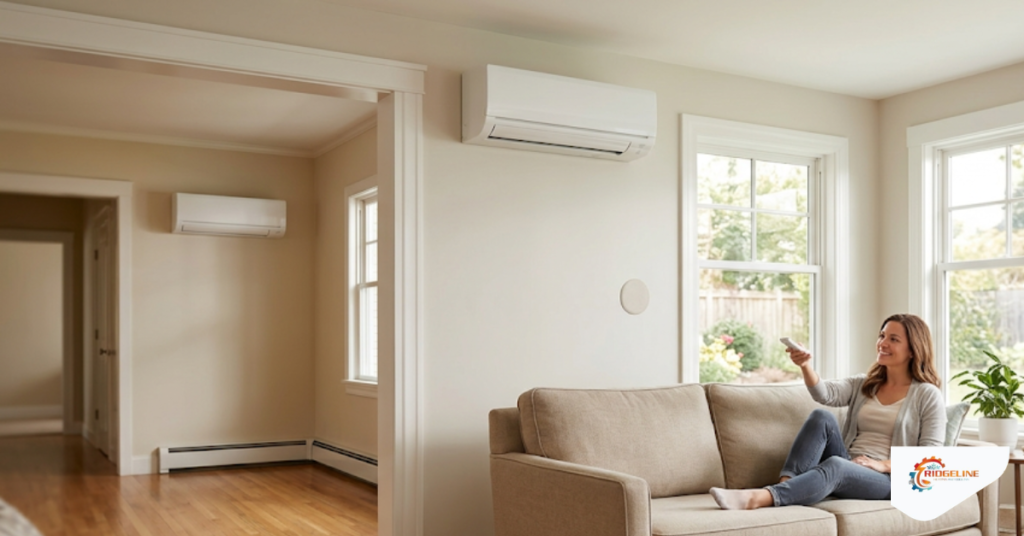
Ductless systems are a natural fit for spaces that are difficult or expensive to connect to existing ductwork. Room additions, converted garages, finished basements, and sunrooms all benefit from a dedicated indoor unit. The installation is minimally invasive, requiring only a small hole in the wall for the conduit, so there is no need to tear into ceilings or walls to run new ducts.
Homes Without Existing Ductwork
Many older Idaho Falls homes rely on baseboard heaters or wall-mounted electric units and have no ductwork at all. Installing a full ducted system in these homes is expensive and disruptive. A ductless mini-split provides whole-home heating and cooling without the construction project, and the zoned control means you can prioritize comfort in the rooms you use most.
Keep Your Ductless System Running at Peak Performance
Like any heating system, ductless units need regular HVAC maintenance to stay efficient. Cleaning or replacing filters every four to six weeks keeps airflow strong and prevents the compressor from working harder than necessary. An annual professional tune-up catches refrigerant issues, electrical connections, and drainage problems before they become costly repairs. Well-maintained systems hold their efficiency ratings for years and are less likely to break down during the coldest stretches of winter.
Ready to Explore Ductless Heating for Your Idaho Falls Home?
Ductless mini-splits offer Idaho Falls homeowners a reliable, energy-efficient alternative to traditional heating systems. With cold-climate technology that handles our winters, local financial incentives that lower the upfront cost, and room-by-room control that cuts energy waste, the advantages are hard to ignore.
If you want to find out whether a ductless system fits your home’s layout and heating needs, the team at Ridgeline Heating and Cooling can walk you through your options. Call us at (208) 521-2041 or visit our ductless heating services in Idaho Falls page to schedule a consultation.