Skip to content




A heating system blowing cold air usually points to a thermostat setting issue, a clogged air filter, a failed ignition component, or leaky ductwork. Most of these problems have straightforward fixes, and some you can handle yourself in minutes. Below is a breakdown of the most common causes, what you can check on your own, and when it is time to call a professional.
Key Takeaways
- A thermostat fan set to “ON” instead of “AUTO” pushes unheated air between heating cycles
- A dirty air filter can cause the heat exchanger to overheat and shut down while the blower fan keeps running
- According to ENERGY STAR, 20% to 30% of heated air is lost through leaky ductwork in a typical home
- Heat pump owners may feel cold air during normal defrost cycles that last 5 to 15 minutes
- Flame sensor, gas valve, and reversing valve issues require a licensed HVAC technician
Is Your Thermostat Set Correctly?
Before checking anything else, start with the thermostat. This is the most overlooked cause of cold air coming from your vents, and it takes seconds to fix.
Fan Setting: “ON” vs. “AUTO”
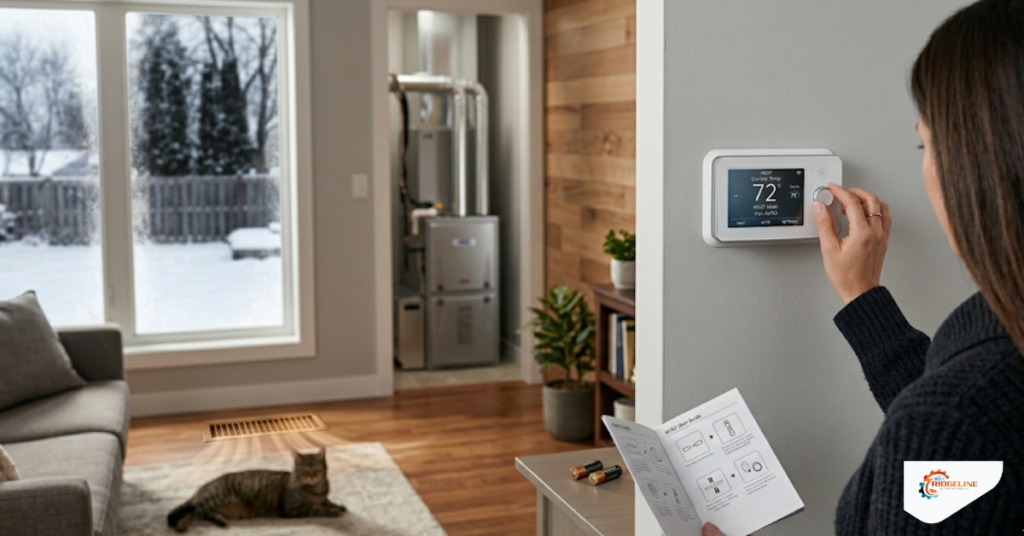
If your thermostat’s fan setting is on “ON,” the blower runs continuously, even when the furnace is not actively heating. That means cool, unheated air pushes through your vents between heating cycles. It feels like the system is broken, but it is working exactly as instructed. Switch the fan to “AUTO” so the blower only runs when the furnace is producing heat. This single change solves the problem for many homeowners.
Dead Batteries and Incorrect Mode
Low or dead thermostat batteries can prevent the thermostat from communicating with your heating system. If the display is blank or flickering, replace the batteries first. Most thermostats use standard AA or AAA batteries. While you are at it, confirm the thermostat is set to “HEAT” mode and that the target temperature is set above the current room temperature. A thermostat accidentally left in “COOL” mode will not call for heat no matter how cold your home gets.
Need this handled in Idaho Falls? See our furnace repair in Idaho Falls page or call (208) 521-2041.
Could a Dirty Air Filter Be the Problem?
A clogged air filter is one of the most common reasons a furnace blows cold air, and it is also one of the easiest to prevent. Heating and cooling account for nearly 50% of the energy used in an average home, so anything that forces your system to work harder has a direct impact on your utility bills and system health.
How a Clogged Filter Triggers a Safety Shutdown
When dust, pet hair, and debris build up on the filter, airflow over the heat exchanger gets restricted. Without enough air moving across it, the heat exchanger overheats. Your furnace has a built-in safety switch called a high limit switch that shuts the burners off when temperatures get too high. The blower fan, however, keeps running to cool the system down. The result is a furnace that sounds like it is working but only pushes room-temperature air through your vents.
If this cycle repeats, the furnace short cycles, turning on and off without ever completing a full heating cycle. Over time, this strains the blower motor and other components, leading to expensive repairs or premature system failure.
How Often Should You Replace Your Filter?
Standard fiberglass filters should be replaced every one to three months. Homes with pets, allergy concerns, or higher dust levels may need monthly changes. Check your filter at least once a month during the winter heating season. If you can not see light through it, it is time for a new one. For more details on filter schedules, read our guide on how often to change your air filter.
Has the Pilot Light or Ignition System Failed?
If your furnace runs but produces no heat at all, the ignition system may be the problem. Older furnaces use a standing pilot light, a small flame that stays lit and ignites the burners when the thermostat calls for heat. If the pilot light goes out or the thermocouple that monitors it fails, the gas valve stays closed, and no heat is produced.
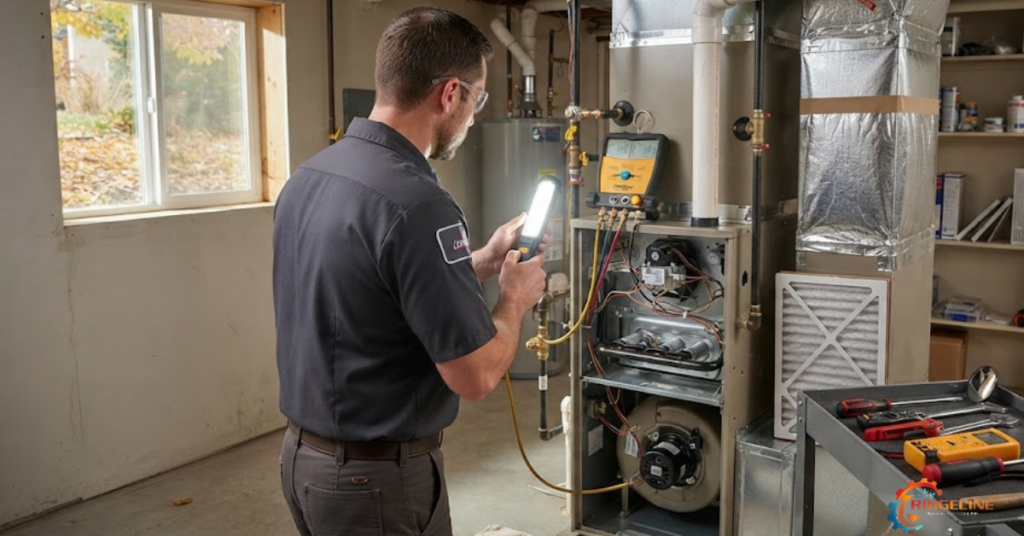
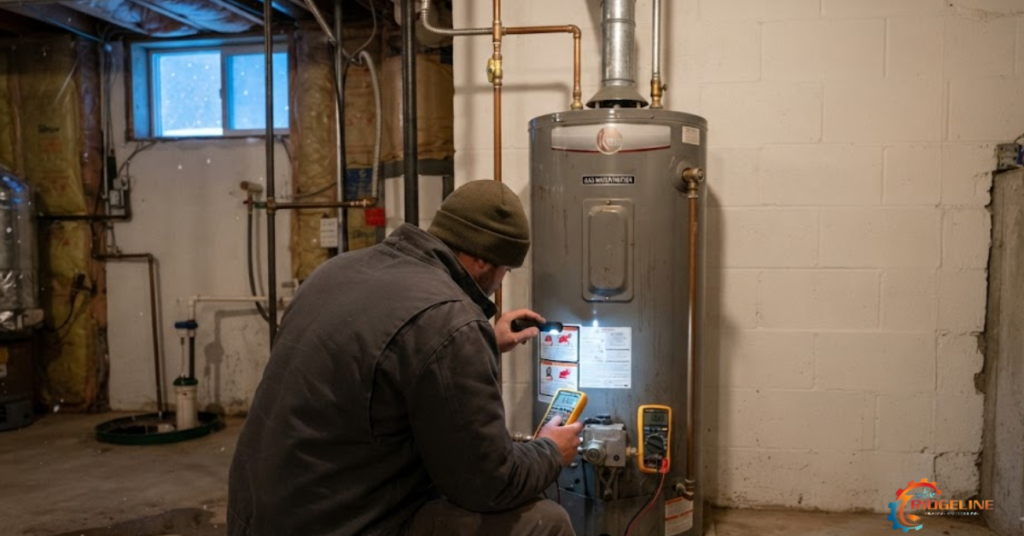
Newer furnaces use electronic ignition, either a hot surface igniter or a spark igniter. These components wear out over time and can crack or fail to generate enough heat to light the burners. A dirty or faulty flame sensor is another common culprit. The flame sensor detects whether the burners have successfully lit. If it cannot detect a flame due to carbon buildup, it shuts the gas valve as a safety precaution. The blower keeps running, but you get nothing but cold air.
If you smell gas at any point, leave your home immediately and call your gas company from a safe location. Do not attempt to fix gas-related issues yourself. For ignition and flame sensor problems, schedule a furnace repair in Idaho Falls with a licensed technician.
Are Leaky Ducts Pulling in Cold Air?
Ductwork problems are harder to spot because most ducts run through attics, crawlspaces, and wall cavities where you can not see them. According to the U.S. Department of Energy, ducts that leak heated air into unheated spaces can add hundreds of dollars a year to your heating bills.
When supply ducts have gaps, cracks, or poor connections, warm air escapes into unconditioned spaces before reaching your rooms. Return ducts with leaks pull in cold attic or crawlspace air and mix it with your heated air, dropping the temperature of what comes out of your vents. Signs of duct problems include rooms that are consistently harder to heat, visible gaps at duct connections, and higher-than-expected energy bills.
Professional duct sealing or insulation can solve these issues. If you have noticed uneven heating throughout your home, it is worth exploring whether duct cleaning is worth it and whether your ductwork needs sealing or replacement.
Is Your Heat Pump Running a Defrost Cycle?
If your home uses a heat pump instead of a furnace, feeling cold air from your vents does not always mean something is wrong. Heat pumps have a built-in defrost cycle that can cause brief bursts of cool air during normal winter operation.
What a Normal Defrost Cycle Looks Like
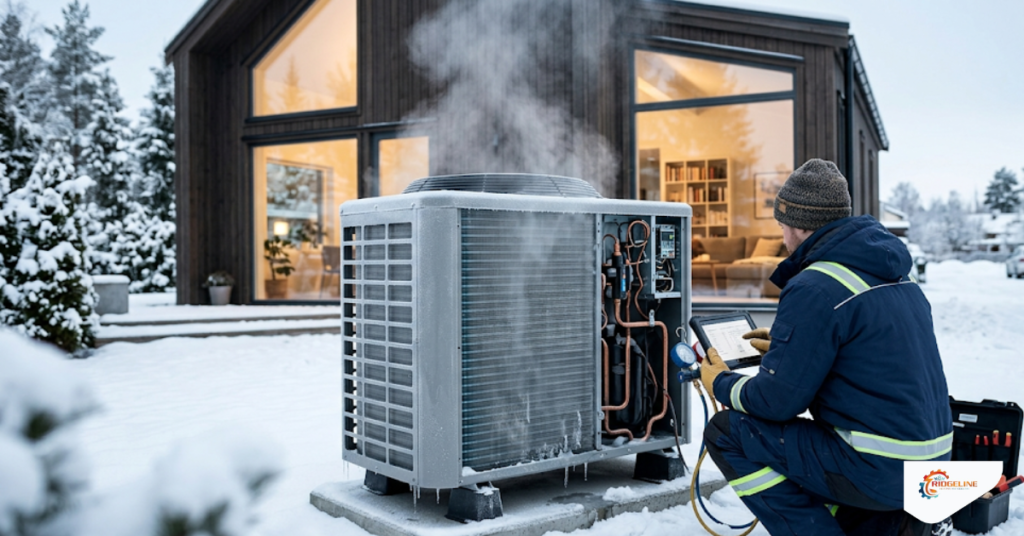
In cold weather, moisture in the outdoor air can freeze on the heat pump’s outdoor coil, reducing its ability to absorb heat. To clear this frost, the system temporarily switches into cooling mode, sending warm refrigerant through the outdoor coil to melt the ice. During this process, the indoor unit may blow cooler air for 5 to 15 minutes. In freezing conditions, a heat pump might run a defrost cycle every 30 to 90 minutes depending on the model and outdoor temperature.
When Defrost Problems Need Professional Attention
If the defrost cycle lasts longer than 15 minutes, happens more frequently than every 30 minutes, or the outdoor unit is covered in thick ice, something is not working correctly. Common causes include a faulty defrost sensor, a stuck reversing valve, or low refrigerant levels. The reversing valve is the component that switches the heat pump between heating and cooling modes. If it gets stuck in cooling mode, your system blows cold air continuously. These repairs require a trained technician with specialized diagnostic equipment. Schedule a heat pump repair to get your system back on track before temperatures drop further.
When Should You Call a Professional?
Start with the DIY checks: thermostat settings, air filter, and a visual inspection of your vents and outdoor unit. If your system is still blowing cold air after those steps, the issue is likely mechanical and needs professional diagnosis.
Call a licensed HVAC contractor if you notice any of these signs: a gas smell near your furnace, repeated short cycling, ice buildup on your heat pump that does not clear, clicking sounds without ignition, or cold air that persists for more than 15 to 20 minutes. These symptoms point to issues with the flame sensor, gas valve, igniter, reversing valve, or refrigerant levels, all of which require specialized tools and training to repair safely.
The best way to avoid cold air surprises during an Idaho Falls winter is regular HVAC maintenance. An annual tune-up catches worn ignition components, dirty flame sensors, and duct leaks before they leave you without heat on the coldest night of the year.
Get Your Heating System Back on Track
A heating system blowing cold air is frustrating, but in many cases the fix is simpler than you expect. Whether it is a thermostat adjustment, a fresh air filter, or a professional repair, identifying the cause early prevents bigger problems and higher bills down the road.
If you have worked through the basics and your system is still pushing cold air, the team at Ridgeline Heating and Cooling is here to help. Call us at (208) 521-2041 or visit our furnace repair in Idaho Falls page to schedule a diagnostic appointment.
Furnace still blowing cold air?
If the filter, thermostat and pilot checks above did not solve it, call for furnace repair in Idaho Falls. We stock common igniters, flame sensors and control boards on the truck.
Call (208) 521-2041 or request service online. Ridgeline Heating and Cooling, 370 College St, Idaho Falls, ID 83401.