



Your radiator system made it through another winter, but those clanking pipes and uneven temperatures are getting harder to ignore. Some rooms feel like an oven while others stay uncomfortably cold, no matter how you adjust the thermostat. The repair technician’s phone number is practically on speed dial, and last month’s heating bill made you wince.
Should I Replace My Radiator or Switch to Forced Air
Deciding between radiator replacement vs forced air heating isn’t just about swapping old equipment for new. It’s about choosing the system that fits your home’s layout, your budget, and Idaho’s climate demands. Whether you’re weighing modern forced air, considering heat pumps, or wondering if your radiators just need an upgrade, this guide breaks down costs, efficiency, and comfort factors to help you make a confident decision.
Signs It’s Time to Replace Your Radiator System
Before comparing heating systems, it helps to know whether your current radiator setup is actually failing or just needs a tune-up. Some issues can be fixed with maintenance, but others signal it’s time for a replacement.
Rust, Leaks, and Corrosion Buildup
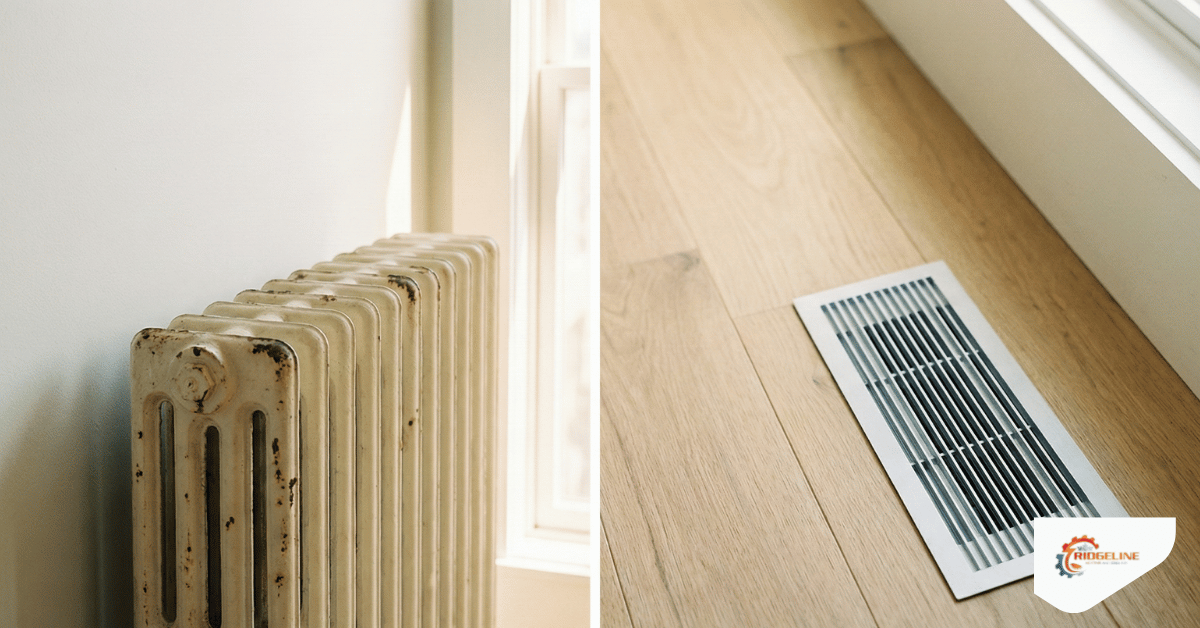
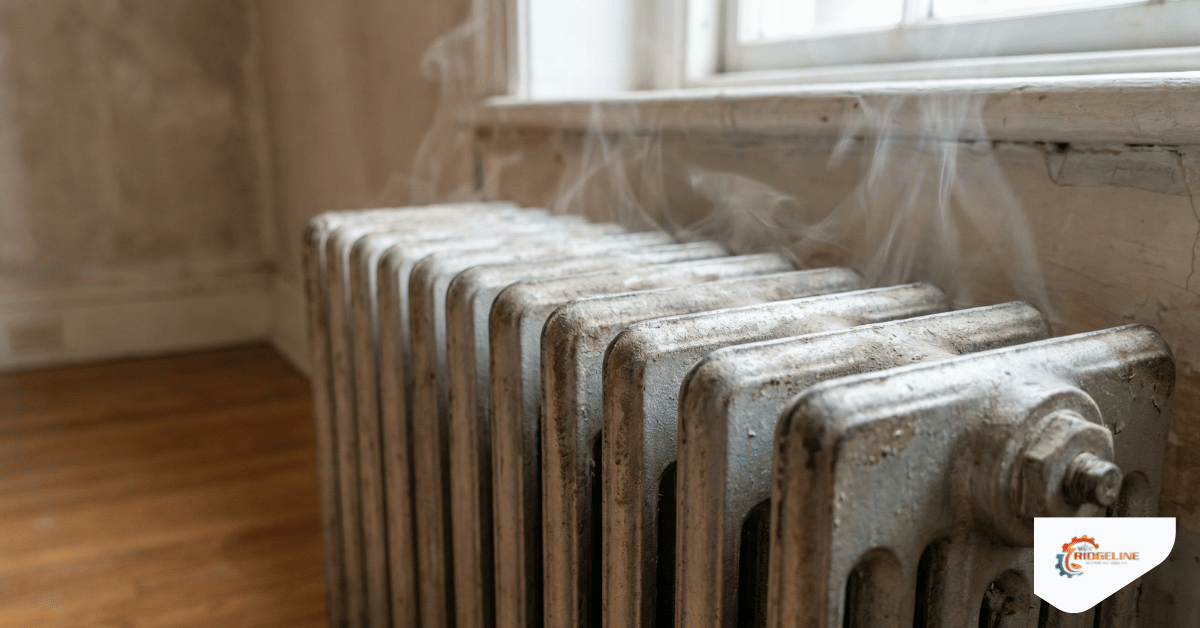
Visible rust on the outside of your radiators isn’t just an eyesore. According to radiator replacement indicators, external corrosion often means the internal components are deteriorating too.
Water pooling around the base of radiators indicates leaks that can damage floors and walls. While you can patch one or two units, persistent problems across multiple radiators usually mean the whole system is aging out.
Uneven Heating and Cold Spots
Does one room feel comfortable while another stays chilly no matter how high you crank the thermostat? Radiators heat through convection and radiation, which means the farther you are from the unit, the colder it gets.
If certain radiators stay cold at the bottom even after bleeding them, sludge and debris buildup inside the system is limiting performance.
Rising Energy Bills Without Explanation
Aging radiators lose efficiency over time, forcing your boiler to work harder and consume more fuel to maintain the same temperatures. If your heating costs have crept up without changes to your usage habits or local energy rates, your radiator system may be wasting energy.
Modern systems can cut operating costs significantly, which we’ll explore in the cost section below.
Frequent Repairs and System Age
Consider how often you’re calling for radiator repairs. If you’re spending hundreds of dollars annually on fixes, that money could go toward upgrading to a more reliable system.
Cast iron radiators can last 50+ years, but modern steel and aluminum models typically have a 15-20 year lifespan. When repair costs approach 50% of replacement costs, it’s usually time to upgrade.
How Do Radiators Compare to Forced Air Heating?
Understanding the fundamental differences between these systems helps you weigh the pros and cons for your specific situation.
Heating Method Differences
Radiators heat water in a central boiler and distribute it through pipes to individual units in each room. The radiators then warm the surrounding air through convection and direct radiation. Research on heating system comparisons shows radiators are significantly quieter than forced air systems since they don’t use fans.
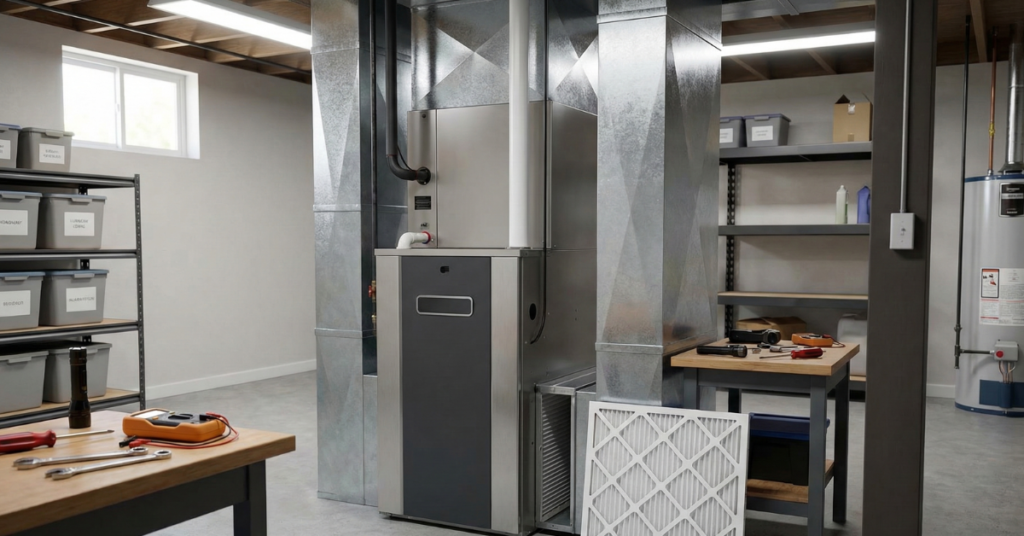
Forced air systems work differently. A furnace heats air directly, then blows it through ductwork into every room via vents. Because it actively pushes heated air, forced air can warm large areas more quickly than radiators.
If you want to understand more about how forced air systems work, the mechanics are straightforward but require proper ductwork installation.
Comfort and Temperature Control
Here’s where personal preference plays a big role. Heating comfort studies indicate radiator heating feels more humid and comfortable because it doesn’t remove moisture from the air by blowing it over an open flame. Many people enjoy the gentle, consistent warmth radiators provide.
However, radiators respond slowly to thermostat changes. If you like to lower the temperature at night and wake up to a warm house, forced air systems heat up rooms much faster. Forced air also gives you better room-by-room control with modern zoning systems, though you’ll need dampers installed in your ductwork.
Air Quality Considerations
Forced air systems circulate air throughout your home, which has both advantages and drawbacks:
- Drawback: Ducts can accumulate dust, pet dander, and allergens that get blown into living spaces
- Advantage: You can add whole-home air filtration and purification systems to improve indoor air quality
- Advantage: Forced air systems can integrate humidifiers to combat Idaho’s dry winter air
Radiators don’t circulate air, so they don’t spread allergens. But they also can’t filter or condition the air in your home.
The choice depends on whether air quality control matters more than avoiding airborne particles.
Installation and Space Requirements
Radiators take up wall or floor space in every room. If you’ve ever rearranged furniture around bulky radiator units, you know the limitation. Covers can make them more attractive, but covers reduce efficiency and drive up costs.
Forced air systems only need small vents in walls, ceilings, or floors. The furnace and ductwork hide in your basement, attic, or crawl space. For homes without existing ducts, installation requires cutting into walls and running ductwork throughout the house, which is disruptive and expensive.
Energy Efficiency: Which System Saves More?
When comparing radiator replacement vs forced air heating, efficiency directly impacts your monthly bills and long-term costs.
Radiator System Efficiency Ratings
Modern boilers operate at 85-95% efficiency, meaning they convert most of their fuel into heat. However, heating efficiency comparison data shows the overall system efficiency drops when you factor in heat loss through pipes and radiators.
Traditional central heating systems can lose 20-40% of energy just transporting heat around your home. That said, modern heating system performance data confirms that newer radiators deliver steady warmth with lower long-term energy use by retaining heat efficiently.
Low-temperature radiators that operate at 35-45°C instead of 70-80°C can reduce consumption by 30-40%.
Modern Forced Air Efficiency
High-efficiency gas furnaces achieve 90-98% AFUE ratings. But forced air systems also lose energy through duct leaks and poor insulation. According to heating efficiency comparison research, forced air can lose significant energy through ductwork if not properly sealed.
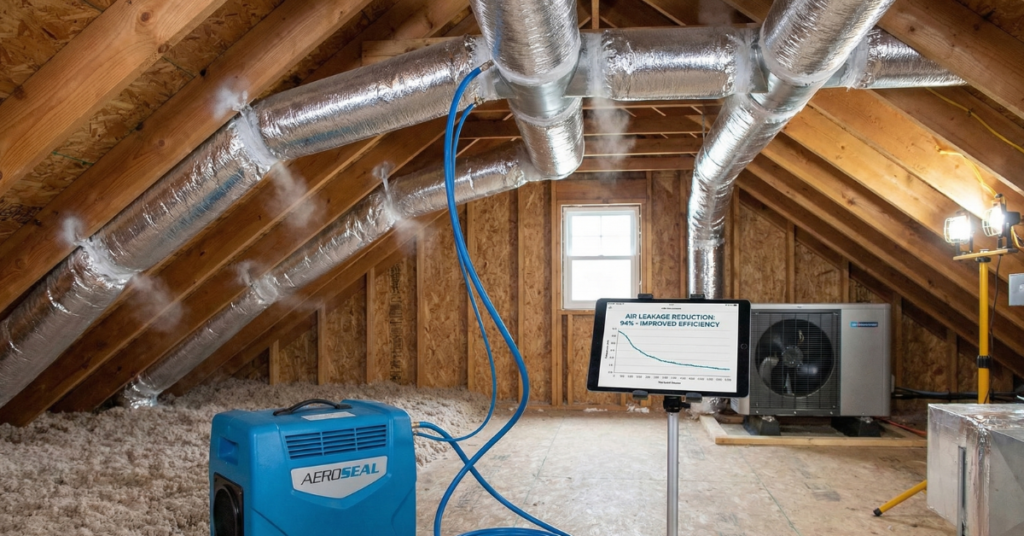
The good news? Properly installed and sealed ductwork minimizes these losses. Professional duct sealing can recover 20-30% of lost heated air, making forced air systems highly efficient when done right.
Heat Loss and Distribution Comparison
In certain conditions, radiant systems can operate with approximately 30% more efficiency than forced air. The key phrase is “certain conditions.” Radiant heat works best in well-insulated homes with consistent heating needs.
Forced air excels when you need quick temperature changes or want to cool your home in summer with the same ductwork.
What Does Radiator Replacement vs Forced Air Cost?
Budget matters, so let’s look at realistic investment ranges for each option.
Radiator System Replacement Costs
Replacing individual radiator units costs between $100-$2,500 per radiator depending on type:
- Hot water radiators: $100-$1,000 per unit
- Steam radiators: $300-$2,500 per unit
- Boiler replacement: $1,500-$12,000 for the central unit
If your boiler is failing, you’re looking at the cost of both new radiators and a new boiler. The total system replacement often runs $8,000-$20,000+ for a full home upgrade.
Forced Air Installation Investment
HVAC cost comparison data shows furnace installation ranges from $3,500-$7,500 when your home already has ductwork. Without existing ducts, add $2,400-$6,600 for complete ductwork installation. A full forced air system in a home without ducts can cost $10,000-$15,000.
For professional furnace installation in Idaho Falls, proper sizing and expert setup ensure your system operates efficiently from day one. The upfront cost matters, but installation quality affects performance for the next 15-20 years.
Long-Term Operating Cost Comparison
Operating costs depend on your fuel source and local energy prices. Natural gas furnaces typically cost less to run than electric systems in Idaho. Heating a home costs $30-$200 per month on average, with forced air systems generally on the lower end when properly maintained.
Radiator systems can have similar monthly costs, but aging units tend to drive bills higher as efficiency drops. Newer high-efficiency boilers paired with low-temperature radiators can match or beat forced air operating costs in well-insulated homes.
Maintenance Expense Differences
Radiator system maintenance needs:
- Occasional bleeding to remove air pockets
- Flushing every few years to remove sludge
- Boiler annual service and inspection
- Difficult pipe and radiator repairs when problems arise
Forced air system maintenance needs:
- Monthly or quarterly filter changes
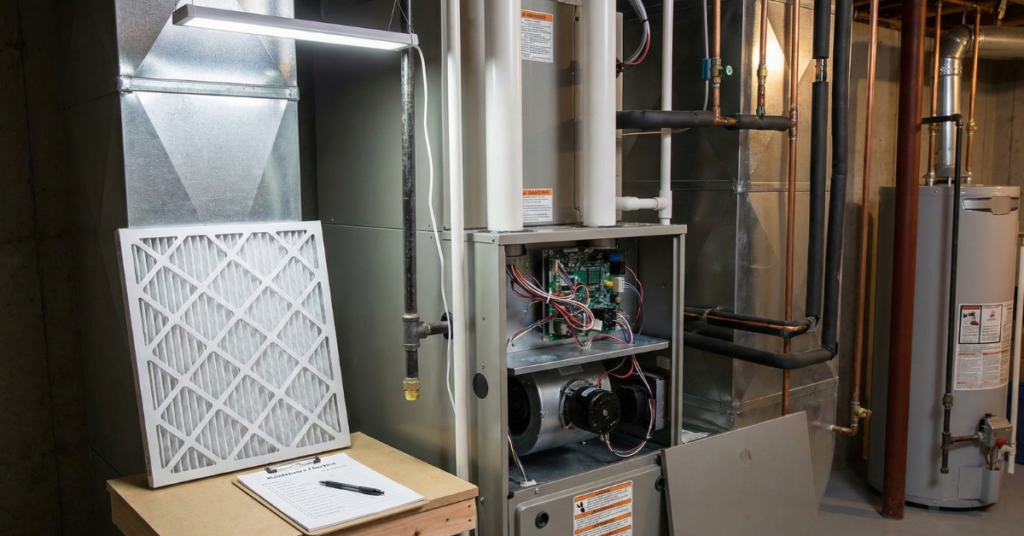
- Annual furnace tune-up and inspection
- Duct cleaning every 3-5 years
- Generally quicker and less expensive repairs
Forced air maintenance is more frequent but typically less expensive and easier to perform. Radiator maintenance happens less often but tends to be more involved and costly when major work is needed.
Should I Consider Modern Alternatives Like Heat Pumps?
Before making a final decision, it’s worth exploring newer heating technologies that combine the best features of both systems.
How Heat Pumps Stack Up Against Both Systems
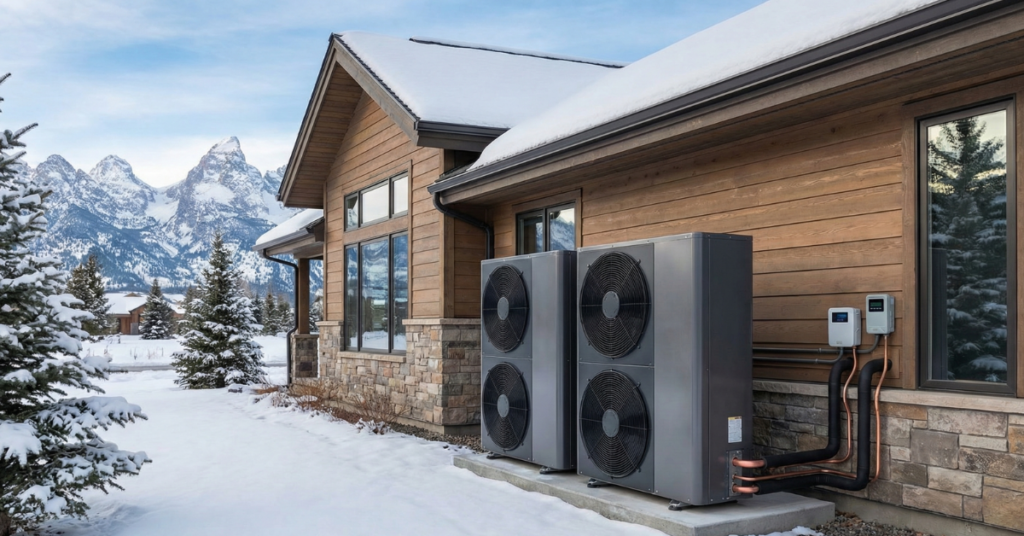
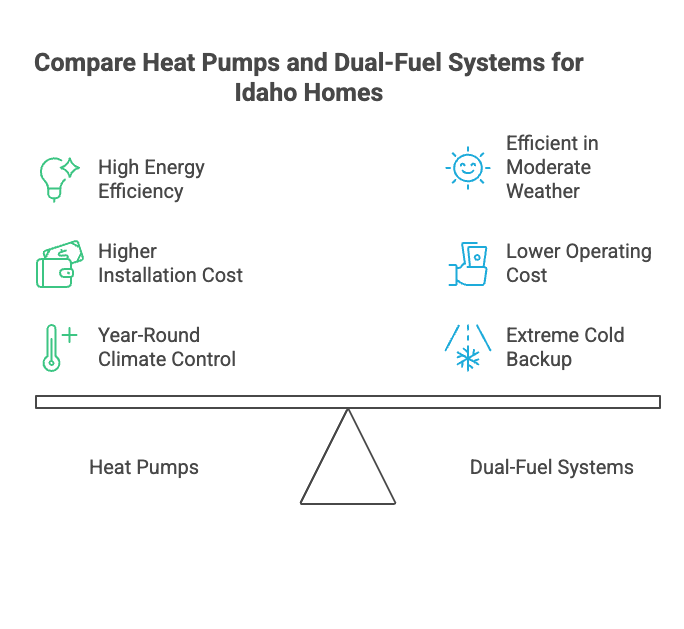
Heat pumps transfer heat rather than generating it, making them incredibly efficient. Heat pump efficiency analysis shows they’re 2-4 times more energy efficient than gas furnaces. The average 1,800 square foot home switching from a gas furnace to a heat pump saves approximately $650 per year in operating costs.
Heat pump installation costs $10,000-$25,000, which is higher than a standard furnace but includes both heating and cooling. You get year-round climate control with a single system. For Idaho Falls homeowners, our heat pump services can help you determine if this option fits your home and budget.
Dual-Fuel Systems for Idaho Winters
Idaho temperatures can drop well below freezing, which is where dual-fuel systems shine. These combine a heat pump for moderate weather with a gas furnace backup for extreme cold. The system automatically switches to the most efficient option based on outdoor temperature.
A Boise family who relocated to the Idaho Falls area faced this exact decision. Their 40-year-old radiator system created cold bedrooms and constant repair headaches. After upgrading to a dual-fuel heat pump system, they noticed quieter operation, consistent temperatures in every room, and easier thermostat control.
The investment paid off through lower monthly bills and improved comfort.
Ductless Mini-Splits for Homes Without Ductwork
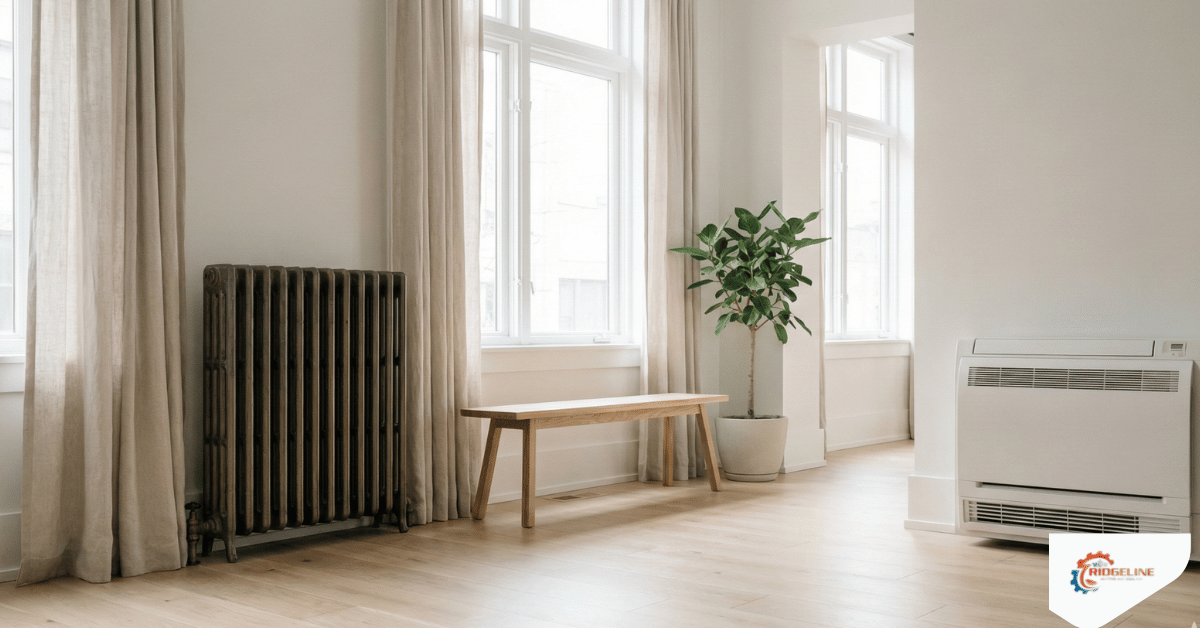
If your home has radiators and no existing ductwork, installing ducts throughout the house is expensive and disruptive. Ductless mini-split systems offer a modern alternative. These units mount on walls in individual rooms and connect to an outdoor compressor, providing both heating and cooling without tearing into walls.
Ductless heating systems work particularly well for room additions, finished basements, or homes where traditional ductwork isn’t practical. Installation is less invasive, and you get precise room-by-room temperature control.
Making the Right Choice for Your Home
There’s no universal answer to whether you should replace your radiator with forced air or another system. The right choice depends on several factors unique to your situation.
Consider radiator replacement when your current boiler works well but individual units are failing. Keeping what works can save money if you’re happy with radiator heat. Consider forced air when you want faster heating response, better temperature control, or you already have ductwork for central air.
Consider heat pumps or dual-fuel when energy efficiency and year-round climate control matter most to your family. The best first step? Schedule a professional heating system evaluation.
An experienced technician can assess your current setup, explain your options based on your home’s specific layout and insulation, and provide honest comparisons of installation costs versus long-term savings. At Ridgeline Heating and Cooling, we help Idaho Falls homeowners compare heating options without pushing any particular system.
We’ll show you what makes sense for your home, your budget, and your comfort goals. Whether that’s upgrading your radiators, installing modern forced air, or exploring heat pump technology, you’ll get transparent pricing and expert guidance.
Ready to explore your heating upgrade options? Contact us today for a no-pressure consultation and honest assessment of what will work best for your home.