 Skip to content



Many homeowners use the terms drain and sewer as if they mean the same thing. Understanding the difference between drains vs sewer systems helps you identify problems early and avoid expensive repairs. At Idaho Falls Heating and Cooling, we often see drainage issues that affect HVAC equipment, so knowing how your drainage system works can save you time and money.
What Is a Drain
A drain is part of your home’s plumbing system that removes water from fixtures inside your house. Drains in your home carry wastewater from sinks, toilets, bathtubs, washing machines, and even HVAC condensate lines. Each drain connects to larger pipes that eventually lead to the main sewer line.
When a drain develops a clog, the problem typically affects only one fixture. You might notice slow water flow, gurgling sounds, or standing water in a single sink or bathtub.
Common drains found in homes:
- Bathroom sink and bathtub drains
- Toilet drains
- Kitchen sink drains
- Dishwasher and washing machine drains
- HVAC condensate drains
What Is a Sewer
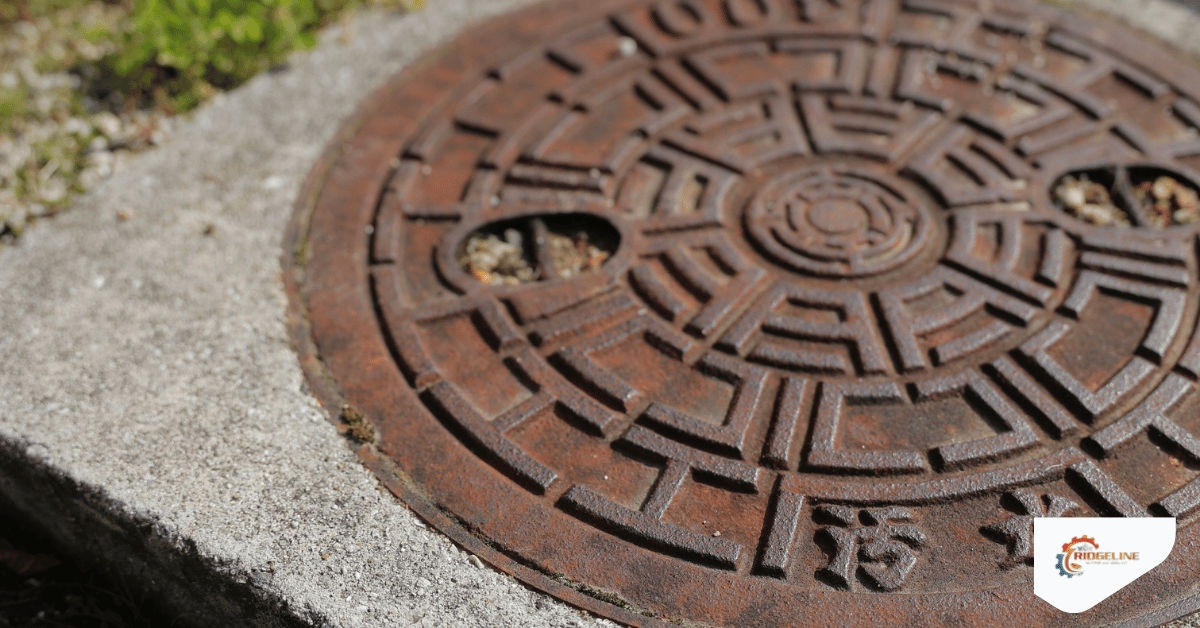
The sewer line is the main pipe responsible for carrying all wastewater away from your home to either a municipal sewer system or septic tank. This underground pipe sits outside your home and handles the combined flow from every drain in your house.
Problems with the main sewer line affect your entire plumbing system. When the main sewer develops a blockage, multiple fixtures will back up at the same time.
Signs your sewer line needs attention:
- Multiple drains slowing down simultaneously
- Sewage smell inside or outside
- Wastewater backing up in basement drains
- Gurgling toilets after using other fixtures
- Wet spots in your yard
Understanding the Difference: Drains vs Sewers
Understanding the difference between a drain and sewer helps you communicate problems clearly to a plumber and know what type of service you need. The key distinction lies in location, function, and scope of impact.
| Feature | Drain | Sewer |
| Location | Inside your home | Underground, outside your home |
| Function | Carries wastewater from individual fixtures | Carries all wastewater to municipal sewer system or septic tank |
| Pipe Size | Smaller diameter pipes | Larger diameter pipe |
| Problem Impact | Affects one fixture | Affects entire house |
| Common Issues | Hair, soap scum, buildup | Tree roots, pipe damage, major blockage |
Drains, Sewers, and Storm Drains
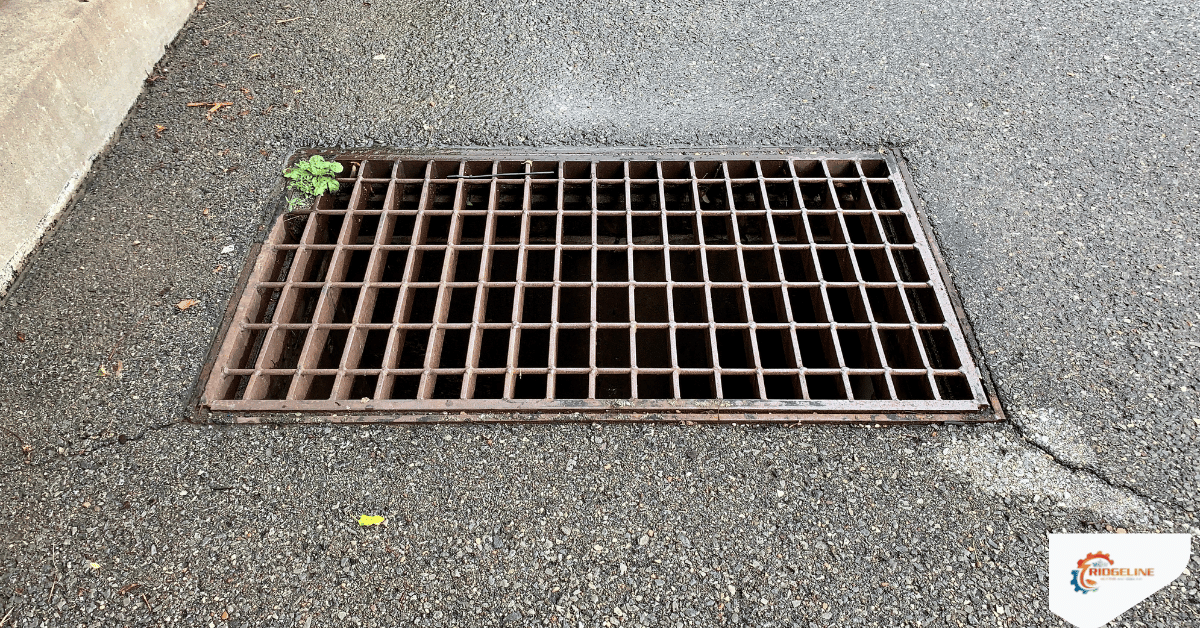
It’s important to understand the difference between sanitary sewers and storm drains. Your home’s drainage system connects to a sanitary sewer system that treats wastewater at a treatment plant. Storm drains are separate and carry rainwater runoff from roofs, streets, and parking lots directly to a waterway, creek, or watershed without treatment.
The difference between a storm drain and sanitary sewer matters for water pollution prevention. Never pour chemicals, fertilizer, or cleaner down storm drains, as these common pollutants flow untreated into waterbodies and harm aquatic habitats.
Understanding your stormwater infrastructure:
- Storm drain system handles rainwater and run-off
- Stormwater program manages water flow to prevent stormwater pollution
- Best management practices protect local watersheds
- Property owners have responsibility to maintain proper functioning
How Drainage Issues Affect Your HVAC System
Idaho Falls Heating and Cooling frequently encounters plumbing issues that impact heating and cooling equipment. Air conditioners and high-efficiency furnaces produce condensate that must drain properly. A clogged drain line can cause water damage, system shutdown, or mold growth around your unit.
Sewer gas can infiltrate your home through dry traps or during a backup. Once inside, these odors circulate through HVAC vents and affect indoor air quality.
HVAC drainage concerns:
- Clogged condensate lines causing AC leaks
- Water pooling near furnaces
- Mold around indoor units
- Odd smells through ventilation
- System shutdown from safety switches
Common Causes of Clogged Drains and Sewer Problems
Regular maintenance helps prevent most drainage problems. Hair, soap scum, grease, and accumulation of debris are the main culprits behind clogged drains. The main sewer faces different challenges like tree root intrusion, pipe corrosion, and ground shifting.
What clogs drains:
- Hair buildup in bathroom fixtures
- Grease and food particles
- Soap scum and mineral deposits
- HVAC condensate line blockage
What affects sewer lines:
- Tree roots infiltrating underground pipes
- Aging pipe deterioration
- Ground settling and pipe misalignment
- Flushing inappropriate items
When to Call for Professional Help
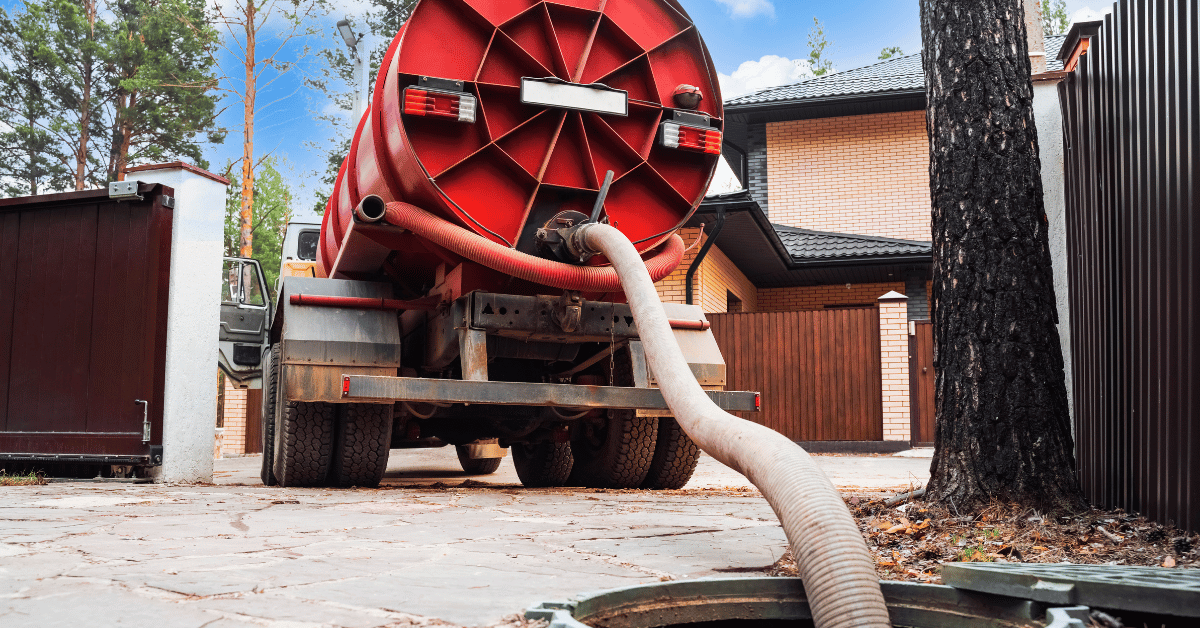
Some minor drain issues can be handled with routine maintenance, but knowing when to call for professional help prevents larger plumbing needs from developing. Idaho Falls Heating and Cooling can address HVAC-related drainage concerns, while drain cleaning services handle other plumbing issues.
Call for drain cleaning services if you notice:
- One fixture draining slowly
- Water around HVAC equipment
- Gurgling in a single drain
- Unusual odors from one location
Call for main sewer line service if you notice:
- Multiple fixtures backing up together
- Sewage backing up in basement
- Toilets bubbling when using other drains
- Strong sewage smell throughout the house
Preventing Drain and Sewer Problems
Maintaining a healthy drainage system requires attention to what goes down your drains and regular inspection of the complex network of pipes that carry wastewater from various sources. Idaho Falls homes face unique challenges from freezing temperatures, hard water, and shifting soil.
Prevention tips for proper functioning:
- Install hair screens on bathroom drains
- Never pour grease down sinks
- Flush drains regularly with hot water
- Schedule HVAC maintenance for condensate line cleaning
- Be mindful of landscaping near sewer lines
- Consider periodic camera inspection for older pipes
- Use appropriate cleaning products
- Avoid flushing non-biodegradable items
Services from Idaho Falls Heating and Cooling
While our focus is heating and cooling, we understand how drainage affects HVAC performance. Our HVAC technicians spot warning signs during routine maintenance, repair, and installation visits. We provide 24-hour emergency service to keep your home comfortable year-round.
What we offer:
- Complete HVAC inspection
- Condensate drain cleaning and repair
- Furnace and AC repair and installation
- Full system replacement
- 24-hour emergency service
- Maintenance plans for year-round comfort


