Skip to content




Furnace short cycling means your furnace turns on and off every few minutes without warming the house to the thermostat setting. The usual causes are a clogged filter, a dirty flame sensor, blocked vents, a badly placed thermostat or an oversized furnace. Start with the filter and vents. If it keeps happening, book Idaho Falls heating maintenance to find the real cause.
A furnace that keeps starting and stopping is more than annoying. It wears out parts, wastes gas and, in some cases, points to a safety problem. This guide explains what short cycling looks like, the most common causes, what you can safely fix yourself and when to call a pro. Need help today? Call Ridgeline Heating and Cooling at (208) 521-2041.
Key Takeaways
- What it is: Short cycling is when a furnace shuts off early and restarts again and again before the house is warm.
- Normal vs not: A healthy cycle usually runs about 10 to 15 minutes. Runs under 5 minutes are a red flag.
- Top causes: Dirty filters, a coated flame sensor, closed vents, thermostat problems and an oversized furnace.
- The risk: Extra wear on the ignitor and blower, higher gas bills and, in bad cases, heat exchanger damage.
- First fix: Change the filter and open every vent. If cycling continues, have a technician diagnose it.

What Is Furnace Short Cycling?
Short cycling is when your furnace runs for a very short time, shuts off, then starts again soon after. It never finishes a full heating cycle. Your thermostat keeps calling for heat, but the furnace keeps quitting early.
Most HVAC makers describe a normal heating cycle as roughly 10 to 15 minutes, with two to three cycles per hour in cold weather. On very cold Idaho Falls nights, a healthy furnace may run longer. A furnace that runs only 2 to 5 minutes, then stops and restarts, is short cycling.
How to Tell If Your Furnace Is Short Cycling
Use a phone timer for one hour on a cold day. Note when the burners start and stop. Watch for these signs:
- Very short run times of under 5 minutes, again and again
- Frequent clicking as the furnace starts and stops
- Rooms that never feel warm even though the furnace keeps running
- Higher gas bills without colder weather to explain them
- A blinking error code on the control board
7 Common Causes of Furnace Short Cycling
1. A Clogged Air Filter
This is the most common cause. A dirty filter blocks airflow, heat builds up inside the furnace and the high-limit switch shuts the burners off to protect the heat exchanger. Once it cools, the furnace starts again and the cycle repeats.
The ENERGY STAR heating checklist recommends checking your filter every month and changing it at least every 3 months. A dirty filter makes the system work harder, raises energy costs and can lead to early failure. Browse our furnace filter options if you are not sure which size or rating fits your system.
2. A Dirty Flame Sensor
If the burners light and go out within 3 to 10 seconds, the flame sensor is probably coated with soot. The control board cannot confirm a flame, so it cuts the gas. Then it tries again. A light cleaning with fine steel wool usually fixes this.
3. Closed or Blocked Vents
Closing vents in unused rooms seems like a smart way to save money. In practice, it raises pressure in the ducts and traps heat in the furnace. The limit switch trips, and the furnace short cycles. Keep most supply vents and every return vent fully open and clear of furniture, rugs and curtains.
4. Thermostat Problems
A thermostat in the wrong spot gives the furnace bad information. If it sits near a heat register, a sunny window, a kitchen or a drafty door, it may think the house is warm when it is not. Weak batteries and loose wires cause similar problems. Replace the batteries first, then check the location.
5. A Blocked Flue or Exhaust Pipe
Your furnace must vent exhaust gases outside. If the flue or PVC exhaust pipe is blocked by snow, ice, leaves or a nest, a pressure switch stops the furnace to prevent dangerous gases from backing up. After every heavy snowfall, check that outdoor intake and exhaust pipes are clear.
6. An Oversized Furnace
Bigger is not better. A furnace that is too large for your home heats the air near the thermostat very fast, then shuts off before the rest of the house warms up. It then turns on again a few minutes later. An oversized furnace can short cycle for its whole life. The fix is a correctly sized replacement based on a load calculation, not a guess. That is why properly sized furnace installation matters as much as the brand you pick.
7. A Cracked Heat Exchanger or Failing Parts
In more serious cases, short cycling comes from an overheating heat exchanger, a failing limit switch, a weak blower motor or a bad control board. Leaky ducts can also starve the furnace of return air. If you suspect duct problems, our guide on signs of leaking ducts explains what to look for.
Short Cycling Causes at a Glance
| Cause | Typical sign | Can you fix it? |
|---|---|---|
| Clogged filter | Runs a few minutes, shuts off, restarts | Yes, replace filter |
| Dirty flame sensor | Flame goes out after 3 to 10 seconds | Often, with careful cleaning |
| Closed or blocked vents | Some rooms cold, furnace runs hot | Yes, open and clear vents |
| Thermostat issue | Erratic cycles, wrong temperature | Batteries yes, relocation by pro |
| Blocked exhaust pipe | Inducer runs, no ignition after snow | Clear snow, pro for other blocks |
| Oversized furnace | Fast heat near thermostat, cold rooms | No, needs correct sizing |
| Heat exchanger or control fault | Repeated lockouts, error codes | No, technician only |
Is Furnace Short Cycling Dangerous?
Short cycling is not always an emergency, but it should never be ignored. Here is what it can lead to:
- Higher gas bills: Every start-up uses extra energy before the furnace reaches full efficiency.
- Worn-out parts: The ignitor, blower motor, relays and inducer motor take a beating from constant starts.
- Uneven comfort: Some rooms stay cold while others get blasts of hot air.
- Heat exchanger stress: Repeated overheating can crack the heat exchanger over time.
That last point is the serious one. A cracked heat exchanger can leak carbon monoxide. The CDC carbon monoxide report found that unintentional CO poisoning leads to about 15,000 emergency room visits and nearly 500 deaths a year in the U.S. More than half of reported exposures happened from November through February, which lines up with heating season. If your CO alarm ever sounds, leave the home and call 911.
How to Fix Furnace Short Cycling
Work through these steps in order. Stop if anything feels unsafe.
- Replace the air filter. Put in a clean filter of the right size, with the airflow arrow pointing toward the furnace.
- Open every vent. Make sure supply and return vents are open and not covered by furniture or rugs.
- Check the thermostat. Replace batteries, confirm it is set to Heat and Auto, and look for nearby heat sources.
- Clear outdoor pipes. Remove snow, ice and debris from the intake and exhaust pipes.
- Time a few cycles. Watch the furnace for an hour. If run times are still short, write down any error code.
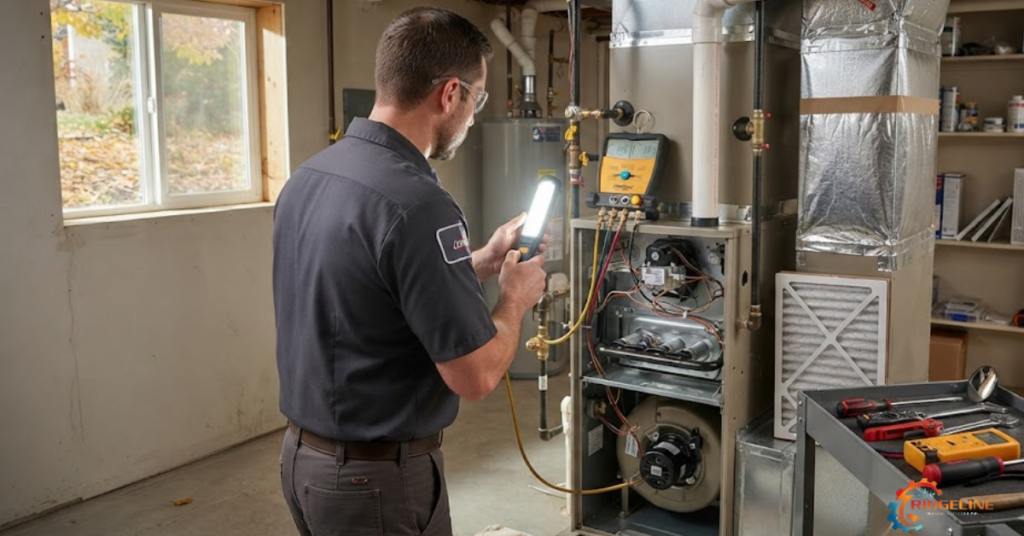
- Call a technician. If the problem continues, it is time for a pro to test the limit switch, flame sensor, gas pressure, blower and heat exchanger.
If you want to cut heating costs once the cycling is fixed, set your thermostat back at night. The Department of Energy thermostat guidance says turning it back 7 to 10 degrees for 8 hours a day can save as much as 10% a year on heating and cooling.
How Much Does It Cost to Fix Short Cycling?
The cost depends entirely on the cause. A new filter costs very little. Cleaning a flame sensor is a quick service. Replacing a limit switch, pressure switch or ignitor costs more, and an oversized or failing furnace may need replacement. We give you a clear price before any work starts, so there are no surprises. Call (208) 521-2041 for current Idaho Falls pricing.

Furnace Short Cycling FAQs
Should I turn my furnace off if it is short cycling?
If you smell gas, see smoke, hear loud banging or your CO alarm sounds, turn it off and leave. Otherwise, change the filter and open vents first. If short cycling continues, keep the house safe and warm, but schedule a repair soon. Constant cycling wears out parts quickly.
What is the most common cause of short cycling?
A clogged air filter is the most common cause. It blocks airflow, the furnace overheats and the high-limit safety switch shuts it off. Once it cools, it restarts and the pattern repeats. A fresh filter fixes this in many homes.
Can a bad thermostat make a furnace short cycle?
Yes. A thermostat with weak batteries, loose wiring or a poor location can send on and off signals too often. A thermostat near a heat register, sunny window or drafty door is a common culprit. Moving it is a simple job for a technician.
How do I fix my furnace short cycling?
Replace the filter, open all vents, check the thermostat batteries and settings, and clear the outdoor exhaust pipes. If the furnace still runs for only a few minutes at a time, call a licensed technician to test the flame sensor, limit switch, blower and heat exchanger.
Stop the On-Off Cycle Before It Damages Your Furnace
A furnace that keeps stopping and starting is telling you something. Call Ridgeline Heating and Cooling at (208) 521-2041 to have a local technician time the cycles, check airflow and test every safety switch. You can also schedule a short-cycling diagnosis online. We are open Monday to Friday, 6:00 AM to 5:00 PM, and serve Idaho Falls and Southeast Idaho.
Ridgeline Heating and Cooling
370 College St, Idaho Falls, ID 83401
Phone: (208) 521-2041
Hours: Monday to Friday, 6:00 AM to 5:00 PM
Website: idahofallsheatingandcooling.com
Idaho HVAC license #050089
Serving Idaho Falls and Southeast Idaho