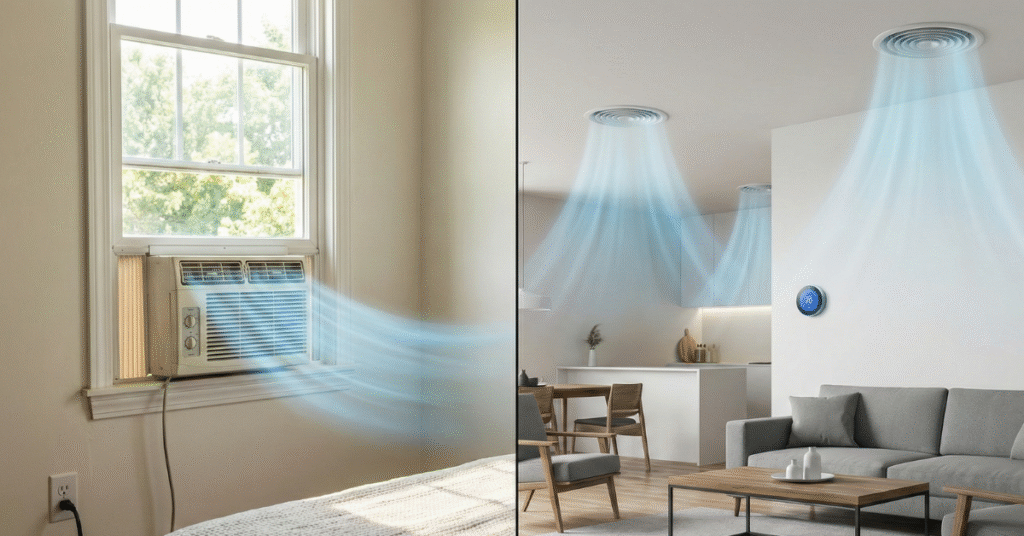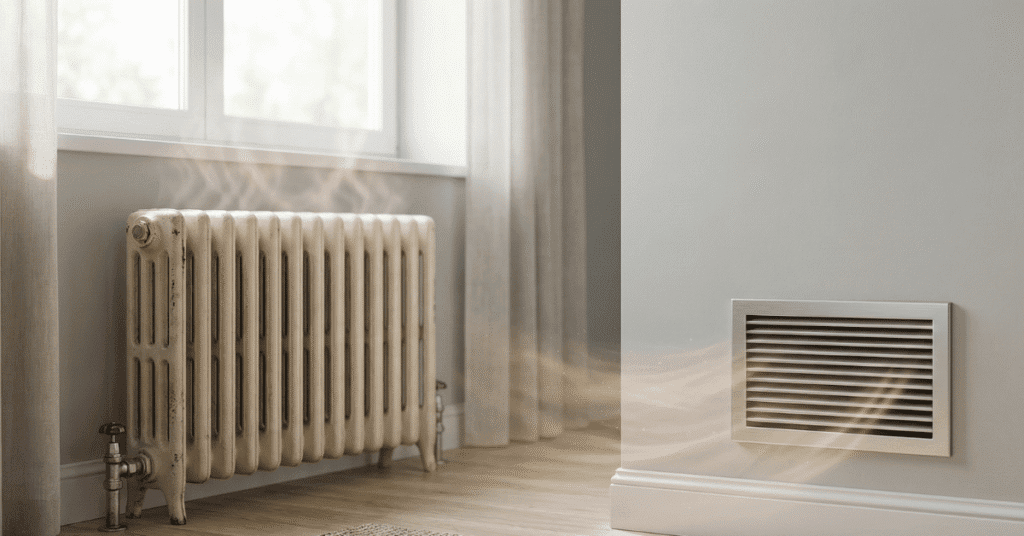




In every reliable heating and cooling system, there’s a critical part working quietly behind the scenes to keep your home comfortable the heat exchanger. You don’t often see it, and it rarely gets attention, but it’s the reason warm air flows through your vents during an Idaho Falls winter or cool air circulates in summer.
For homeowners, understanding heat exchangers is not just for HVAC technicians. Knowing the basics of a heat exchanger helps you identify issues early, avoid costly repair work, and make informed choices about cleaning, maintenance, or installation. In a climate where comfort depends on dependable heating and cooling, it’s essential knowledge.
What Is a Heat Exchanger in an HVAC System?
A heat exchanger is a device that transfers heat from one medium to another without direct contact. In an HVAC system, this usually means moving heat from one fluid (air, water, or refrigerant) to another.
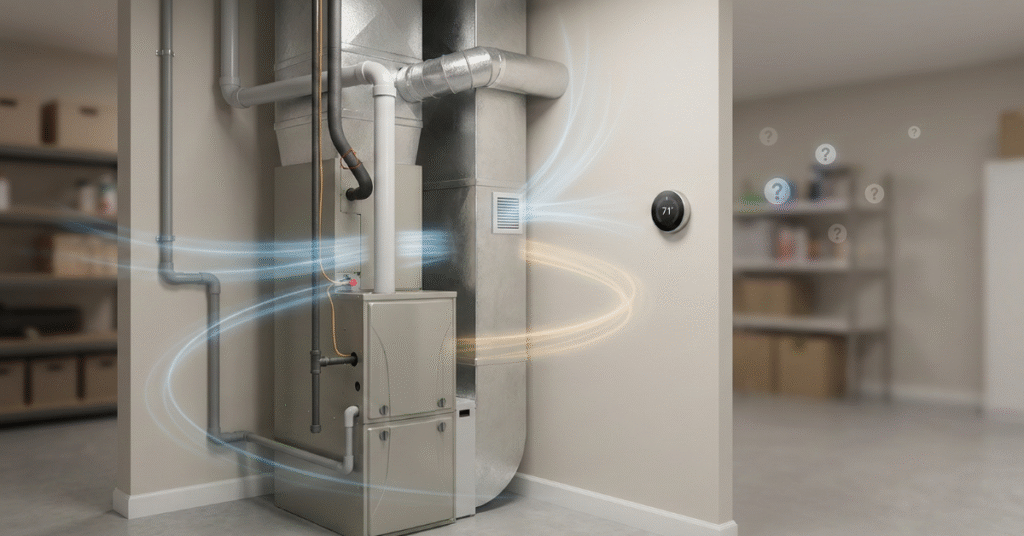
In a furnace, the heat exchanger transfers heat from hot combustion gases to the air circulating through your home. The gases are vented safely outside, ensuring you heat the air without harmful fumes entering your living space.
Common HVAC equipment that uses a heat exchanger:
- Gas furnaces – Heat from combustion warms indoor air.
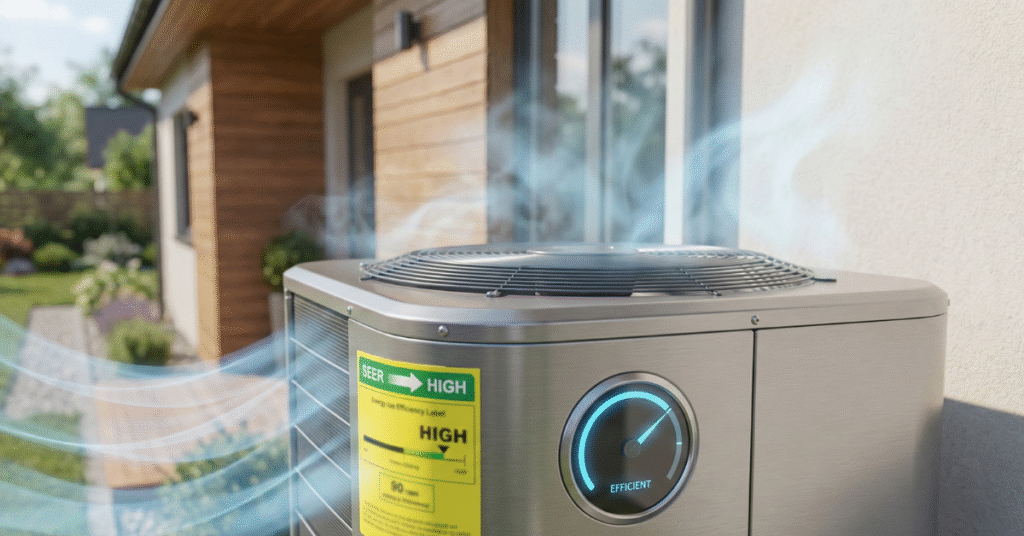
- Air conditioners and heat pumps – Transfer heat between indoor and outdoor coils.
- Boilers – Heat the air or water for radiators and underfloor systems.
How Does a Heat Exchanger Work?
While heat exchanger design may vary, the principle is the same: heat transfer happens from the hotter side to the cooler side through a solid surface.
The heat transfer process:
- A heat source (burning fuel or warm refrigerant) heats the metal walls of the exchanger.
- Cooler air or liquid flows over these surfaces.
- Heat is transferred through the metal into the cooler medium.
- The warmed medium is moved through ducts or pipes to where it’s needed.
Example – Gas Furnace Heat Exchanger:
- Fuel ignition – Gas or propane burns in sealed burners.
- Heat absorption – Combustion gases move through metal tubes.
- Air heating – Blower pushes indoor air across the tubes.
- Transfer of heat – Warm air flows into the duct system.
- Exhaust – Gases are vented outdoors.
This setup prevents dangerous gases like carbon monoxide from mixing with indoor air.
Types of Heat Exchangers in HVAC
Different types of heat exchangers are used depending on the application, efficiency needs, and available space.
- Shell and tube heat exchanger – Cylindrical design where fluid flows inside tubes while another fluid flows around them. Common in commercial heating and cooling systems.
- Plate heat exchanger – Stacked thin plates for a high heat transfer surface area.
- Double pipe heat exchanger – Simple heat exchanger design with one pipe inside another.
- Brazed plate heat exchangers – Compact, sealed units with high heat transfer efficiency.
- Spiral plate heat exchangers – Spiral channels for continuous heat exchange.
- Parallel flow heat exchangers – Fluids flow in the same direction for specific applications.
These designs allow HVAC systems to use a heat exchanger to transfer heat between two mediums efficiently.
Why Heat Exchangers Matter in Cold Climates
In Idaho Falls, long winters mean your heating system works hard. A damaged heat exchanger may lead to:
- Reduced heat transfer rate and efficiency.
- Higher energy costs.
- Safety risks from carbon monoxide leaks.
- Full furnace replacement needs.
Common Heat Exchanger Problems
Over time, heat exchangers are typically subject to wear:
- Cracks or rust – From repeated heat or cool cycles.
- Unusual odors – Metal or chemical smells when running.
- Poor heating performance – Rooms taking longer to warm.
- Strange noises – From expansion or loose parts.
- Frequent cycling – Furnace turning off and on excessively.
If these signs appear, call for inspection. Cleaning, repair, or installation may be required depending on the damage.
Maintenance Tips for a Healthy Heat Exchanger
To keep heat exchangers in gas furnaces or heat pumps working efficiently:
- Schedule annual heat exchanger cleaning and inspection.
- Replace filters regularly.
- Ensure proper ventilation.
- Address small repairs promptly.
Well-maintained heat exchangers are essential for optimal heat transfer and system safety.
Repair or Replacement?
Repair is possible if:
- Damage is minimal.
- Unit is under warranty.
- Sealing small cracks is safe.
Replacement is safer if:
- Multiple large cracks exist.
- Furnace is 15+ years old.
- There’s confirmed CO leakage.
Choosing a Contractor for Heat Exchanger Service
When you use heat exchangers in HVAC systems, only a licensed professional should handle installation, repair, or cleaning. Look for one who:
- Knows the design of heat exchanger systems.
- Offers 24/7 service.
- Is licensed and insured.
- Has experience with variety of heat exchangers used in homes and commercial spaces.
Conclusion
Heat exchangers play a vital role in HVAC systems, moving heat from one medium to another so you stay comfortable year-round. Regular cleaning, timely repair, and professional installation help prevent heat loss and ensure high heat transfer efficiency.
If you need service for a heat exchanger used in your furnace, heat pump, or other heating and cooling equipment, professional inspection is the safest way to protect your home.