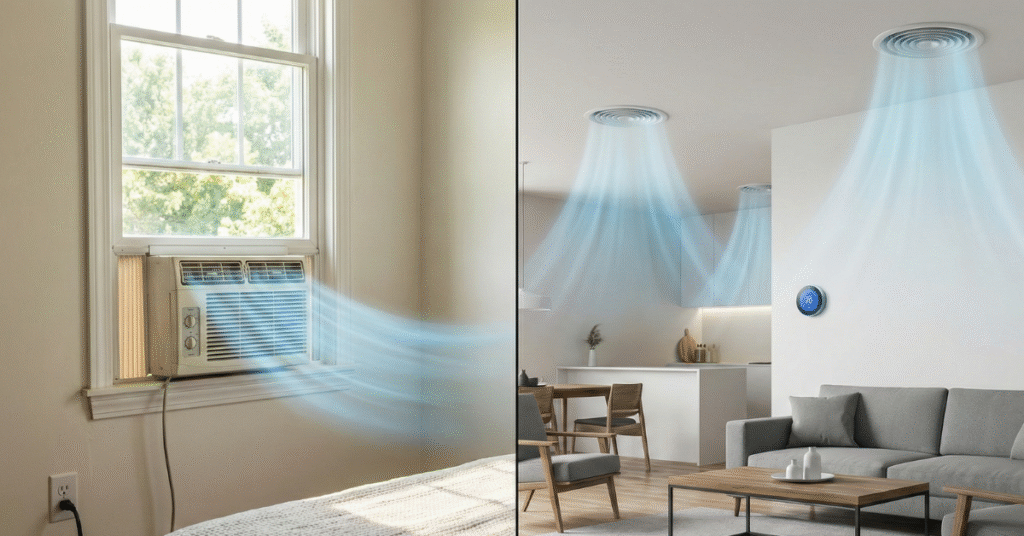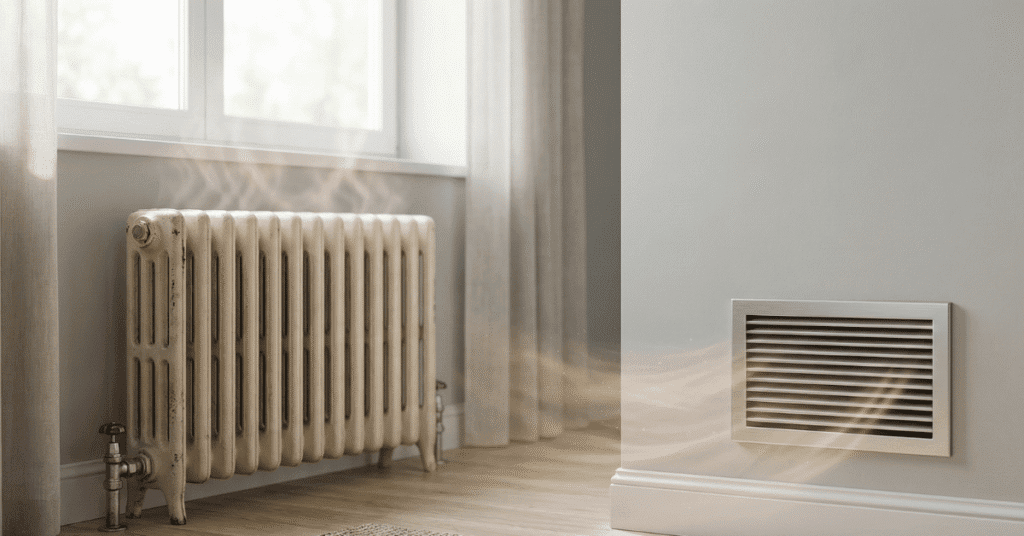




Keeping your home comfortable in Idaho Falls takes more than a good furnace or air conditioner. Proper insulation plays a major role, especially in a climate with cold winters and warm summer days. Fibreglass insulation is one of the most popular insulation materials used in homes today, but many homeowners are unsure how does fiberglass insulation works or why it is so effective.
Idaho Falls Heating and Cooling explains the basics in this guide so you can understand why this thermal insulation material is so dependable and why it matters for your home’s comfort.
What Is Fibreglass Insulation
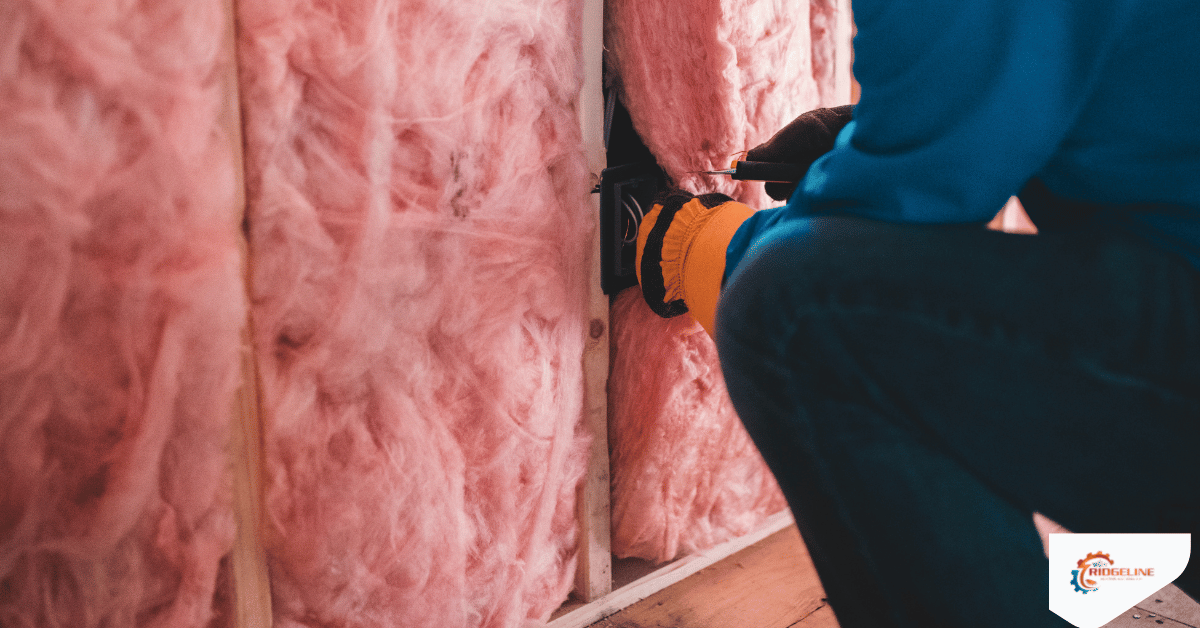
Fibreglass insulation is made from extremely fine glass fibers that are spun into fibers together, forming a light, fluffy insulating material. These tiny glass fibers create millions of air pockets, which is the key to slowing heat flow inside a home.
It is widely used in attics, walls, crawl spaces, and basements because it is affordable, long lasting, and suitable for many different spaces. Glass wool insulation offers excellent thermal performance for residential and commercial applications.
Common forms of fibreglass include:
- Batt insulation for standard wall cavity and ceiling applications
- Rolls for continuous coverage across joists and studs
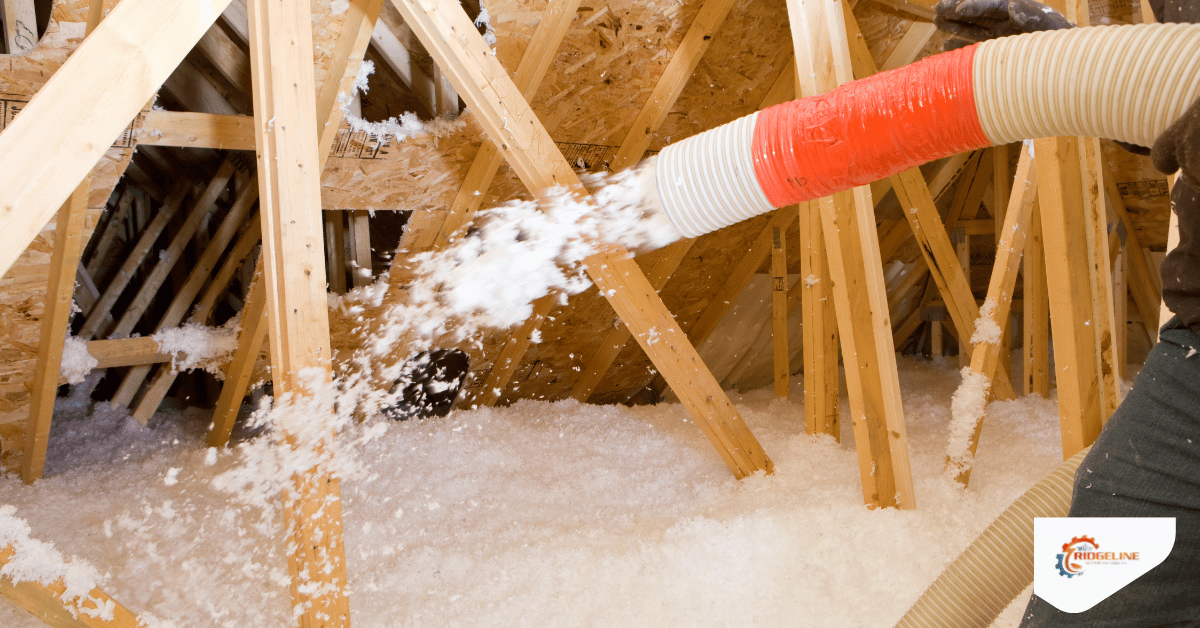
- Loose-fill or blown in for hard to reach areas and installation in existing walls
- High density fibreglass for superior energy efficiency
- Sound dampening glass fibre for noise reduction between rooms
How Does Fiberglass Insulation Work
The main job of this type of insulation is slowing heat transfer. During winter, warm air tries to escape your home. In summer, outdoor heat pushes indoors. Fiberglass insulation works by trapping air in millions of tiny air pockets, creating a barrier that helps resist heat flow.
The glass fibres do not conduct heat well, which makes it harder for warmth to move through your walls or attic. This thermal insulation helps create a more stable indoor temperature and can increase energy efficiency throughout your home.
Fibreglass reduces three types of heat transfer:
- Conduction, which is heat moving through solids like studs and joists
- Convection, which is heat loss through convection in air spaces
- Radiation, which occurs when heat reflects or moves across open spaces
Types of Fibreglass Insulation and Where They Work Best
Different areas of a home require different insulation styles. Idaho Falls Heating and Cooling often recommends selecting fibreglass based on access, structure, and coverage needs.
Fiberglass batts and rolls work best when placed in unfinished walls, attics, and crawl spaces between framing members. Fiberglass batt insulation fits snugly between studs and provides consistent r-values when properly installed.
Blown in or loose-fill fibreglass excels in irregular spaces where batts or rolls cannot reach effectively. This installation method works well for existing walls and hard to access ceiling areas.
- High density glass fiber for colder climates requiring superior r-value ratings
- Duct insulation for heating and cooling system efficiency
- Commercial insulation for larger scale residential and commercial projects
- Glass wool for fire resistant applications
Why Fibreglass Insulation Helps Idaho Homes
Idaho weather can shift quickly, which means insulation needs to handle cold, heat, and wind. Fibreglass offers dependable performance in these conditions and supports the work your HVAC system already does during installation, repair, and routine cleaning.
Key advantages include:
- Lower energy bills through improved thermal performance
- More consistent indoor temperatures year round
- Fewer drafts and cold spots throughout living spaces
- Fire resistant material that adds safety to your home
- Long term durability since fiberglass insulation can last 80 to 100 years
- Environmentally friendly options made from recycled glass
- Better indoor air quality when properly sealed and maintained
These benefits help reduce strain on your furnace and air conditioner, which can extend the lifespan of your heating and cooling equipment.
Why Installation Matters More Than Most People Realize
Even the best insulation material can fall short if not installed well. Gaps, compression, and poor placement often lead to wasted energy and uneven temperatures. Idaho Falls Heating and Cooling frequently sees homes where fibreglass is present but not truly effective.
Choosing the correct r-value is essential for Idaho Falls. Higher r-values are typically needed in attics and exterior walls due to colder winter temperatures. Professional installation ensures fiberglass insulation is relatively easy to maintain and performs as intended.
Common installation problems include:
- Gaps where air leaks through and reduces thermal insulation effectiveness
- Insulation packed too tightly, eliminating the pockets of air needed to insulate properly
- Misplaced vapor barriers that can lead to mold growth and moisture issues
- Poor attic ventilation affecting the flow of heat
- Overlooking edges, corners, and small cavities where heat loss occurs
These problems can reduce insulation performance by a large margin and impact overall energy efficiency.
Signs Your Home Needs Better Insulation
Many homeowners do not realize their fibreglass is failing until they notice comfort issues or higher bills. Glass fibre insulation can settle or shift over time, and older homes may not have enough thermal insulation at all.
Watch for these signs:
- Uneven temperatures between rooms indicating poor heat flow control
- High utility bills despite routine HVAC repair and maintenance
- Drafty areas or cold floors suggesting gaps in coverage
- Ice dams on the roof in winter from inadequate ceiling insulation
- HVAC system running constantly to maintain comfort
- Visible irritation or particulate matter from deteriorating fibre materials
If you notice any of these issues, it may be time for a professional inspection and possible cleaning or replacement.
How Fibreglass Compares to Other Insulation Materials
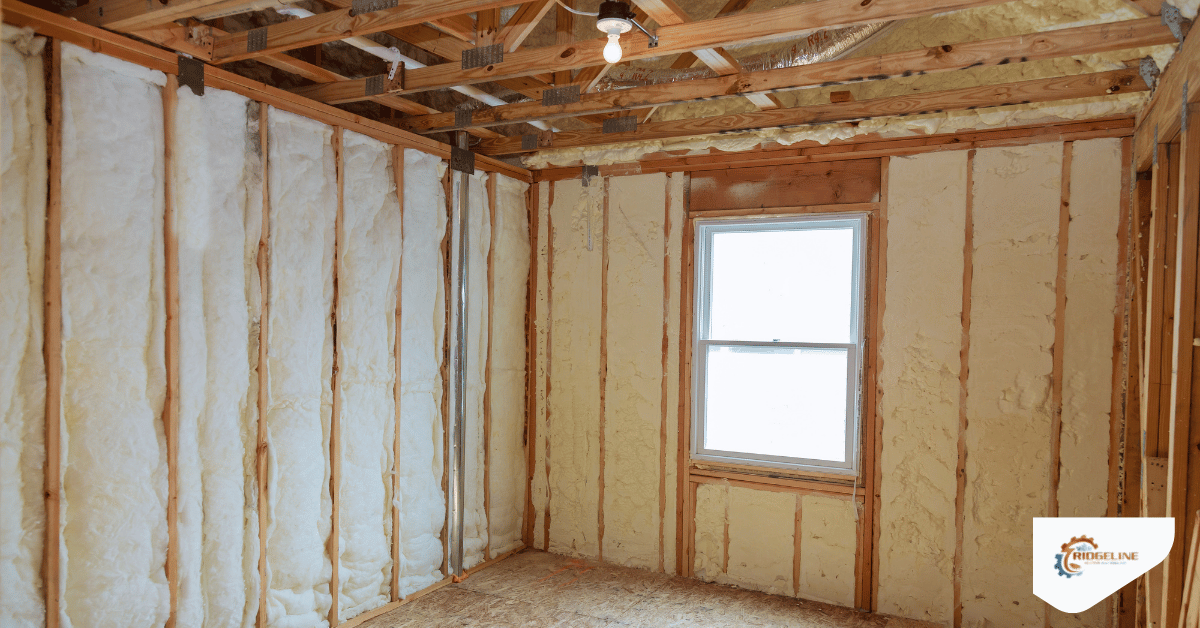
While glass wool is one of the most common choices, homeowners sometimes consider spray foam or cellulose. Each insulation material has its purpose, but fibreglass remains a reliable option due to cost, longevity, and versatility.
Here is a simple comparison:
- Spray foam or foam insulation seals air gaps well but is much more expensive for installation
- Cellulose is effective but may settle over time and lose r-value performance
- Fiberglass batts offer stable thermal performance with minimal long term concerns
- Different types of insulation suit specific applications, but glass fiber works in most spaces
Most Idaho homes perform well with fibreglass, especially when combined with proper air sealing and regular cleaning.
Why an HVAC Contractor Should Be Involved in Insulation Decisions
Insulation affects airflow, temperature balance, and the load on your HVAC system. Because of this, an HVAC professional understands how insulation properties impact heating and cooling performance during installation and repair.
Idaho Falls Heating and Cooling evaluates how fibreglass, ventilation, and equipment interact. This helps prevent issues such as uneven heating, overworked furnaces, or humidity problems that come from insulation mistakes.
An HVAC focused approach includes:
- Checking airflow and heat loss patterns throughout the home
- Matching insulation levels to equipment size for optimal energy efficiency
- Inspecting attic and crawl space ventilation to prevent mold growth
- Recommending improvements that support long term comfort and reduce energy bills
- Coordinating installation, cleaning, and repair services for complete home performance
How Idaho Falls Heating and Cooling Helps Homeowners Improve Comfort
Idaho Falls Heating and Cooling offers full evaluations for fibreglass, heating, and cooling performance. Their team looks at the home as a whole, not just individual systems. This ensures insulation and HVAC equipment work together.
Services include insulation inspections, heating and cooling system assessments, furnace and AC repair, full HVAC installation, seasonal maintenance and cleaning, and emergency services. These solutions give homeowners a comfortable and efficient living space throughout the year.
Conclusion
Fiberglass insulation remains a dependable choice for Idaho homes because it slows the transfer of heat, helps control indoor temperatures, and works well with modern HVAC systems. When installed correctly, this thermal insulation material supports lower energy costs and a more comfortable home.
If you are unsure about your insulation levels or want a professional opinion, Idaho Falls Heating and Cooling can provide a clear, simple assessment and recommend the best steps for improving comfort through proper installation, repair, or cleaning services.