 Skip to content





Indoor humidity plays a major role in comfort, health, and home protection. When the humidity level inside the house gets too low in winter, it causes dryness, health discomfort, and even damage to furniture and flooring. On the other hand, high humidity in your house can encourage condensation, mold growth, and structural problems.
This guide explains how to control home humidity, why managing indoor humidity is critical, the ideal indoor humidity level, how to identify excess moisture or dryness, and practical cleaning, repair, and installation solutions that will keep your home safe during cold months. Whether you’re trying to lower humidity in your house or increase it, this article provides actionable steps to maintain the ideal home humidity for comfort and energy efficiency.
Why Indoor Humidity Matters in Winter
When winter temperatures drop, your heating system pulls moisture from the air, reducing indoor humidity. If the level of humidity is unbalanced, it affects both people and property.
- Health Issues: Low humidity can cause dry eyes, cracked lips, irritated throat, nosebleeds, and skin irritation.
- Home Problems: Excess moisture may lead to condensation, while low humidity levels can damage wood furniture, flooring, and wallpaper.
- Energy Costs: Proper indoor humidity level helps you feel warmer at lower temperatures, improving energy efficiency.
What Is the Ideal Indoor Humidity Level in Winter?
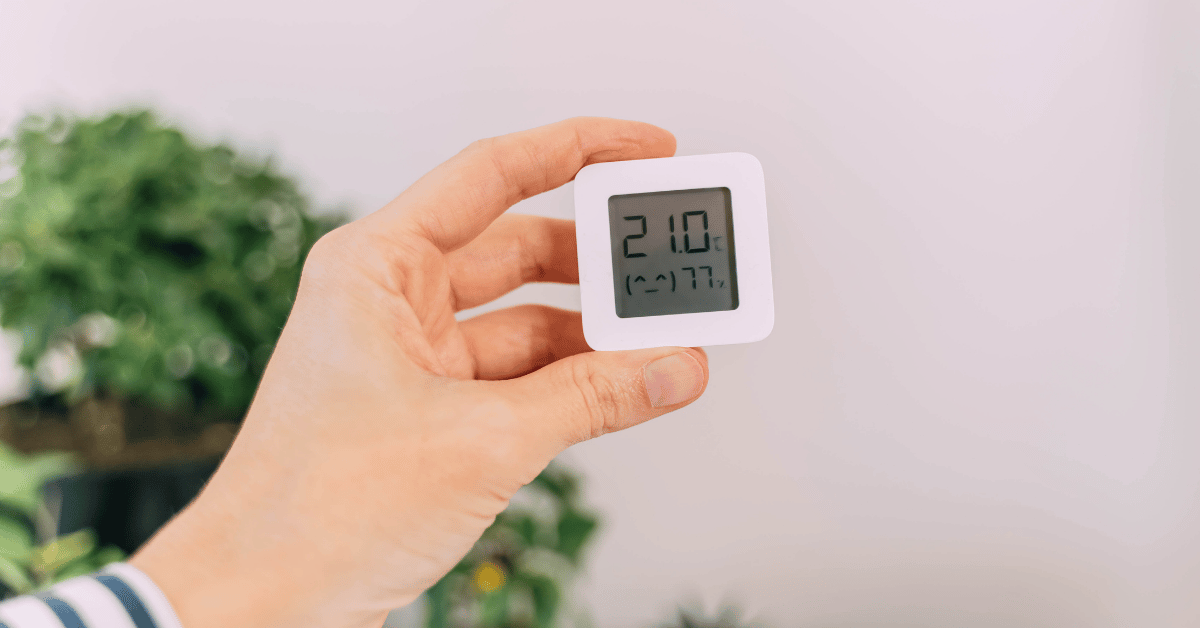
The ideal indoor humidity level during cold months should stay between 30% and 50%.
- Below 30%: You’ll feel dryness and notice static shocks or cracked wood surfaces.
- Above 50%: Excess humidity may lead to condensation, mold growth, and poor indoor air quality.
This balance ensures comfort while protecting your home from moisture problems.

Signs of High Humidity Levels Inside the House
Knowing when humidity is unbalanced helps prevent costly issues.
- High humidity signs: condensation on windows, musty odors, and visible mold growth on walls.
- Excessive humidity effects: It can lead to moisture buildup inside your home, creating health risks.
- Notice high humidity? It may be due to poor ventilation or excess moisture trapped indoors.
Too much moisture in the air often happens when moisture condenses on cold surfaces, introducing excess humidity and triggering mold growth.
Signs of Low Humidity Levels in Winter
If your home is too dry, you’ll experience:
- Cracked skin and lips
- Static electricity throughout your home
- Wooden floors or furniture splitting
- Dry air even when the furnace is running
Low humidity levels cause discomfort and long-term structural damage if not fixed.
How Ventilation Helps Reduce Humidity in Your Home
Proper ventilation is key to managing indoor humidity.
- Use exhaust fans in kitchens and bathrooms to remove moisture from the air.
- Consider installing controlled indoor air systems that bring fresh air inside without losing heat.
- Good ventilation helps reduce moisture in the air and prevents introducing excess moisture into living areas.

Humidifiers and Dehumidifiers: Tools for Indoor Moisture Control
- Humidifier installation adds moisture to the air, helping when low humidity causes discomfort. Options include portable humidifiers for small rooms or whole-house humidifiers connected to HVAC systems.
- Dehumidifier installation helps reduce the humidity in basements or areas with excess moisture. Using a whole-home dehumidifier ensures balanced indoor air quality year-round.
Both devices are essential tools to control the amount of moisture in your home.
How to control home humidity
If you’re dealing with higher humidity levels, here are some ways to reduce moisture problems:
- Run an air conditioner during mild winter days to help reduce humidity levels.
- Seal leaks to prevent moisture from entering through cracks and windows.
- Absorb moisture naturally by placing desiccant products in damp areas.
- Use insulation to prevent moisture from escaping into cooler spaces.
These steps will help reduce excessive humidity and protect your home from damage.
Daily Habits That Add Moisture to the Air
Sometimes, low humidity means you need to add moisture to the air. Simple activities can improve humidity levels inside:
- Dry clothes indoors to release moisture into the air
- Leave bathroom doors open after showers to allow steam to add moisture to the air
- Cook or boil water on the stove, which will naturally introduce moisture into the air
These lifestyle habits help keep humidity balanced without much expense.
Cleaning and Repair Solutions for Humidity Problems
Regular cleaning prevents mold growth caused by excessive humidity. Professional repair services can seal leaks that allow moisture inside.
- Cleaning vents, ducts, and filters helps prevent moisture from building up in HVAC systems.
- Repair or installation of insulation and windows helps control temperature and humidity.
- Professional contractors can remove excess moisture through system upgrades or remove moisture from the air using advanced filtration.
HVAC Installation and Long-Term Indoor Humidity Control
Modern HVAC systems are designed to maintain optimal indoor humidity automatically.
- Installation of whole-home humidifiers ensures consistent indoor humidity level.
- Repair and maintenance of HVAC equipment ensures humidity in winter remains balanced.
- Integrated HVAC systems can pull humidity when needed or add moisture to the air, keeping comfort steady.
Professional installation ensures better control of humidity year-round.
Adjust Humidity with Smart Technology
Smart thermostats make it easier to adjust humidity levels. They:
- Monitor relative humidity and adjust heating for balance
- Help reduce the amount of moisture in winter
- Keep track of indoor air quality to prevent excess moisture from the air
This technology improves keeping your home comfortable while saving energy.
Why Work With a Professional Contractor
DIY methods can help, but professional HVAC experts provide tailored solutions. They can:
- Install or repair humidifiers and dehumidifiers
- Seal your home to prevent moisture from entering
- Offer 24/7 emergency cleaning, repair, and installation
- Provide maintenance to reduce moisture in the air and protect your system
Working with a licensed contractor keeps moisture in your home at safe levels and protects against long-term moisture problems.
Conclusion
Whether your home has excessive humidity or is suffering from low humidity levels, winter conditions in Idaho make it essential to manage the indoor humidity in winter. From ventilation, humidifier installation, and HVAC repair, to simple lifestyle changes, you can keep the humidity level in your home comfortable year-round.
Balanced indoor humidity improves health, protects your home, and ensures energy efficiency through lower temperatures.


