 Skip to content





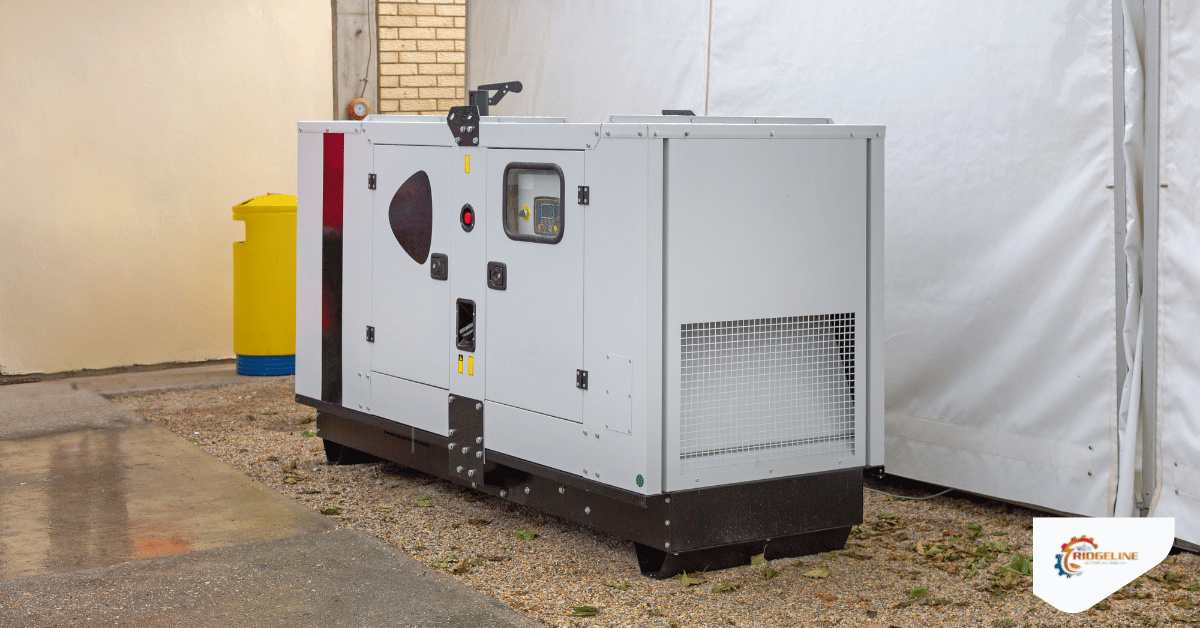
Power outages can strike at any time in Idaho Falls due to winter storms, heavy winds, or equipment failures. These outages can leave homes and businesses without power for hours or in extreme cases, days. For many homeowners and companies, having a generator is not just about convenience; it’s about safety, comfort, and reliable backup power.
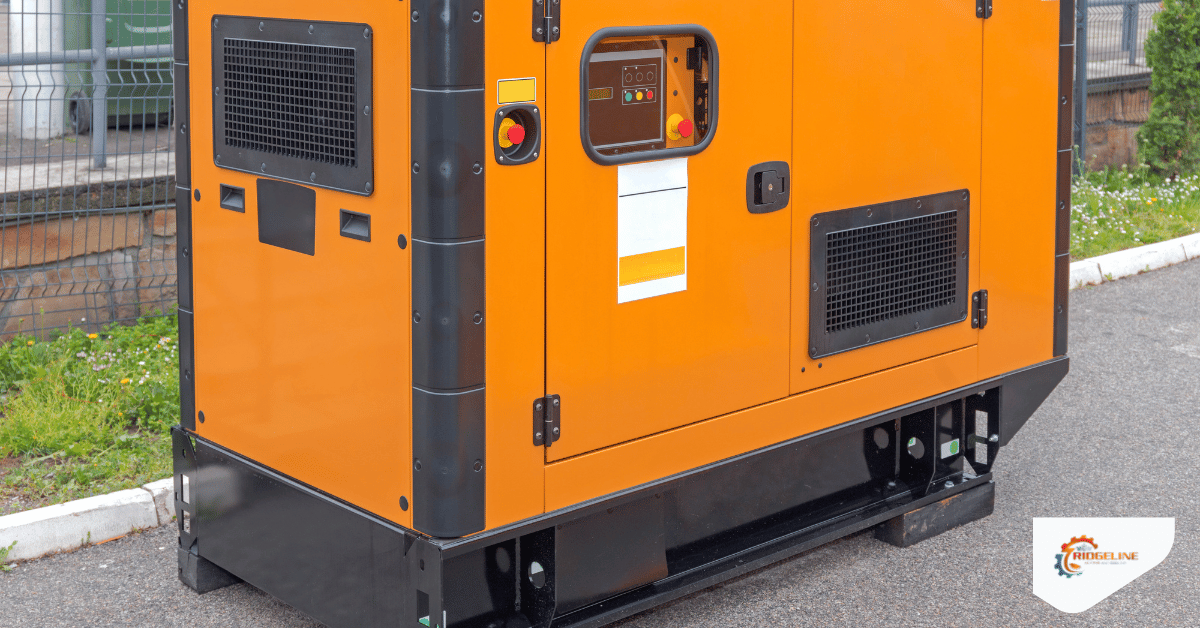
But owning a generator is only half the solution. To safely and effectively connect it to your home’s electrical system, you need a transfer switch. This device is the crucial link that makes your backup power systems work properly without creating hazards.
At Idaho Falls Heating and Cooling, we have seen how using your generator without a proper transfer switch can jeopardize the safety of your property and even utility workers. If you own a home generator or are considering one, understanding transfer switches is essential.
What Is a Transfer Switch?
A transfer switch is a device that safely transfers the power source from utility power to your generator during an outage. It’s typically installed next to your main breaker panel and can be one of two main types:
- Manual Transfer Switch (MTS) – Requires you to install a transfer control and manually switch from grid power to generator power during a power outage. This type of manual transfer switch is cost-effective but requires you to be present.
- Automatic Transfer Switch (ATS) – Detects when the power goes out and automatically switches to generator power, then back to utility power once the power comes back.
Both options connect a generator to power your home’s circuits without relying on unsafe extension cord setups.
Why a Transfer Switch Is Essential for Your Generator
1. Prevents Dangerous Backfeeding
Transfer switches prevent backfeeding, which occurs when generator power flows into utility power lines. This can cause problems in the line, risk injury to utility workers, and damage your electrical system.
2. Eliminates Extension Cord Risks
Without a transfer switch, you must plug in your generator directly to appliances with cords, limiting your ability to power at the same time multiple systems. A transfer switch allows you to run essential appliances through your circuit breaker panel.
3. Keeps You Code-Compliant
Most electrical code requirements state that if you install the transfer switch for a standby generator, you must also obtain a need a permit approval. Compliance protects your home and ensures switches require proper safety measures.
4. Protects Your Investment
Improper generator use can damage equipment. A transfer switch regulates the electrical load from one source and reduces strain on your electrical system.
Manual vs Automatic Transfer Switch – Which to Choose?
Manual Transfer Switch (MTS)
- Pros: Affordable, simple installation, good for smaller setups.
- Cons: Requires you to be home, not ideal for critical systems like a well pump or water heater.
Automatic Transfer Switch (ATS)
- Pros: Immediate transition to backup power without your involvement, perfect for standby generators that are wired into essential loads.
- Cons: Higher cost, more complex installation.
Key Factors Before Installing a Transfer Switch
Before you install a transfer switch, consider:
- Types of transfer switches available and types and applications for your needs.
- Power supply needs: Decide what you want to power during an event of a power outage.
- Main types of portable generators vs standby generators.
- Budget: Costs vary depending on switch type and wiring complexity.
- Need for additional permits: Your local area may require inspections.
Why Professional Installation Matters
Transfer switch installation is not DIY-friendly. An electrician ensures:
- Correct sizing for your generator power and electrical load.
- Safe wiring to prevent fires and disconnect hazards.
- Compliance with local electrical code.
- Reliable performance for both automatic switches and manual switches.
How a Transfer Switch Improves Comfort During Outages
When the generator starts and the switch installed activates, you can keep:
- Heating and cooling systems functional.
- Refrigerators and freezers running.
- Lights, outlets, and home offices operational.
- Security systems online for safety.
Maintenance Tips for Your Transfer Switch
- Cleaning: Remove dust or debris to avoid performance issues.
- Inspection & repair: Look for corrosion or circuit breaker wear.
- Testing: Run a trial using a transfer switch before storm season.
- Schedule annual service with an electrician to catch issues early.
The Cost of Skipping a Transfer Switch
Trying to run a generator without a proper transfer switch or directly into the generator line can:
- Cause fires from unsafe wiring.
- Damage a standby generator or portable generator.
- Void insurance claims.
- Create danger for utility workers.
In the long run, the transfer switch is required for safe, legal, and reliable backup power.
Conclusion – Be Ready for the Next Power Outage
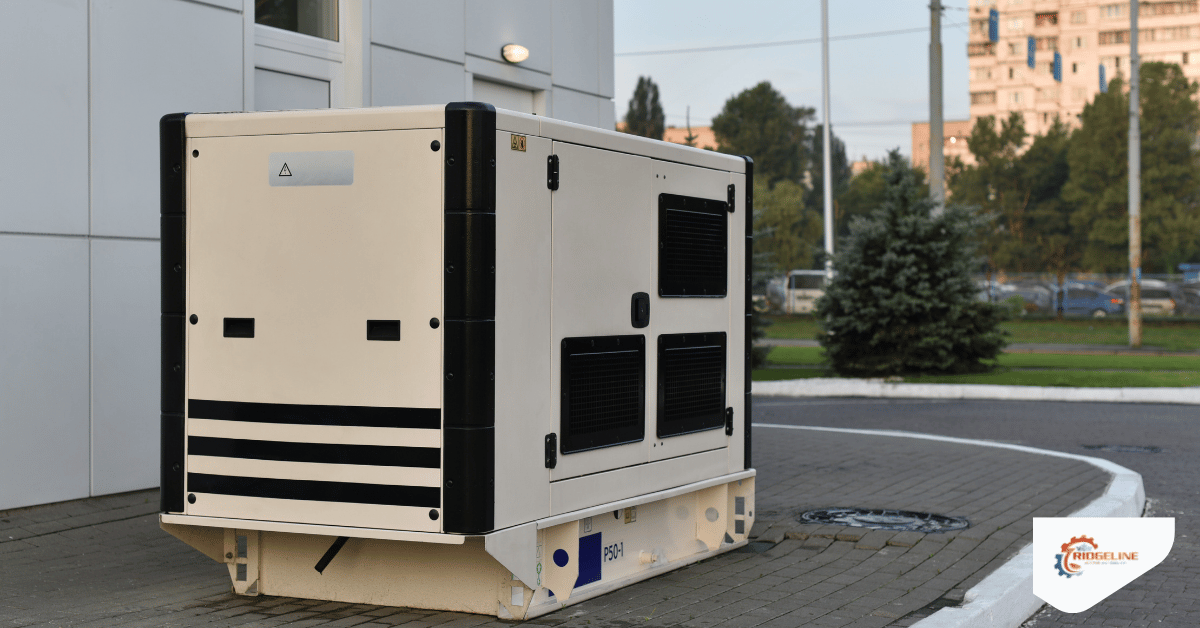
If you really need one essential upgrade for homes and businesses, it’s the generator transfer switch. This single power switch ensures safe generator use, keeps your electrical system intact, and makes sure your home or office can run smoothly during the event of a power outage.
Learn more about transfer switches and schedule your installation with a licensed electrician because when it comes to backup power, safety should always come first.


